


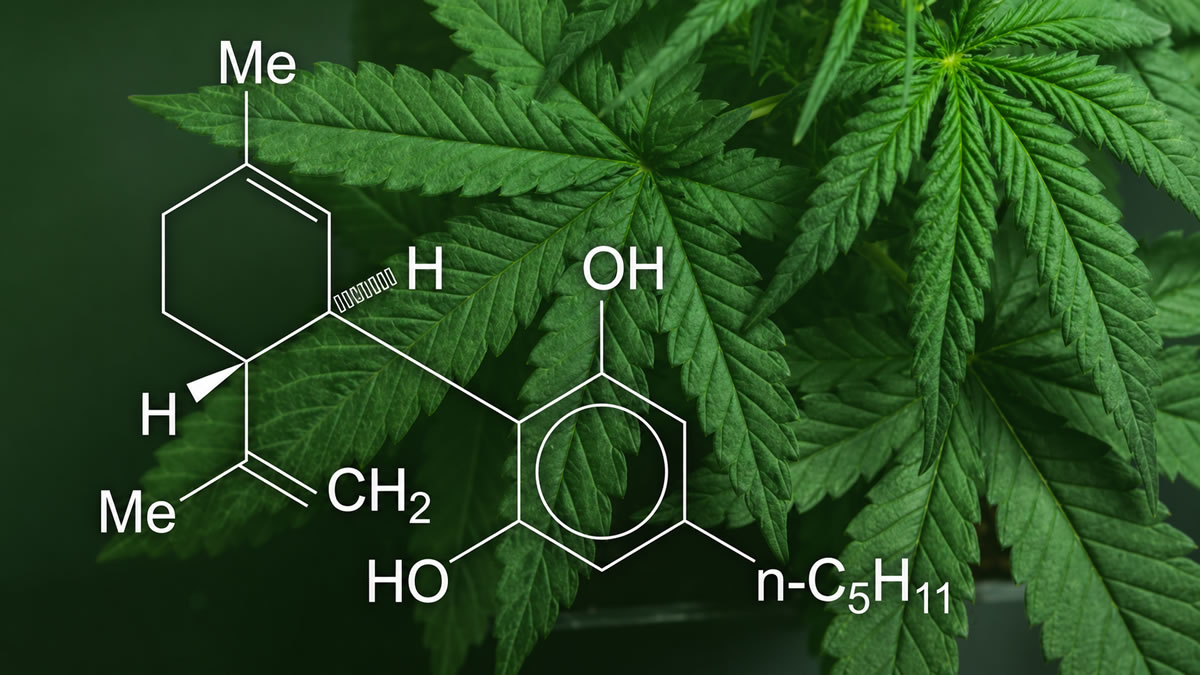
Researchers at the University of California, Riverside (UCR) have discovered that specific compounds within whole-plant cannabis extracts can reverse metabolic impairments associated with obesity. This breakthrough addresses the long-standing paradox of why chronic cannabis users often exhibit lower body weight and reduced type 2 diabetes risk despite increased food intake.
Published in The Journal of Physiology, the preclinical study led by Professor Nicholas V. DiPatrizio investigated how different cannabis components interact with the body's metabolic systems.
Using a mouse model designed to mimic human dietary patterns, the research team compared the metabolic effects of pure delta-9 tetrahydrocannabinol (THC) against a whole-plant cannabis extract. Both treatments contained the exact same levels of THC, but the whole-plant extract included other naturally occurring compounds.
| Treatment Type | Impact on Body Weight | Impact on Glucose Regulation (Diabetes Risk) |
|---|---|---|
| Pure THC Only | Significant weight loss | Impaired (No improvement in homeostasis) |
| Whole-Plant Extract | Significant weight loss | Restored (Reversal of metabolic impairments) |
"This suggests that THC alone is not responsible for the metabolic benefits associated with cannabis use," stated DiPatrizio, who directs the UCR Center for Cannabinoid Research. "Other compounds in the plant appear to play a critical role."
The findings indicate that the full cannabis extract effectively restores crucial communication pathways between fat tissue and the pancreas. In healthy individuals, fat cells release signaling molecules that regulate insulin secretion. This signaling is typically disrupted in cases of obesity and type 2 diabetes, but the whole-plant extract allowed fat tissue to regulate blood glucose levels more effectively.
Despite these promising results, researchers strongly caution against using cannabis for weight or diabetes management at this stage, noting that further human trials are required.
Moving forward, the UCR team aims to identify and isolate specific non-psychoactive compounds. The ultimate goal is to create targeted, evidence-based therapies that deliver metabolic benefits without the intoxicating effects associated with THC.
- Source: University of California - Riverside
- Journal reference: DOI: 10.1113/JP290431
