


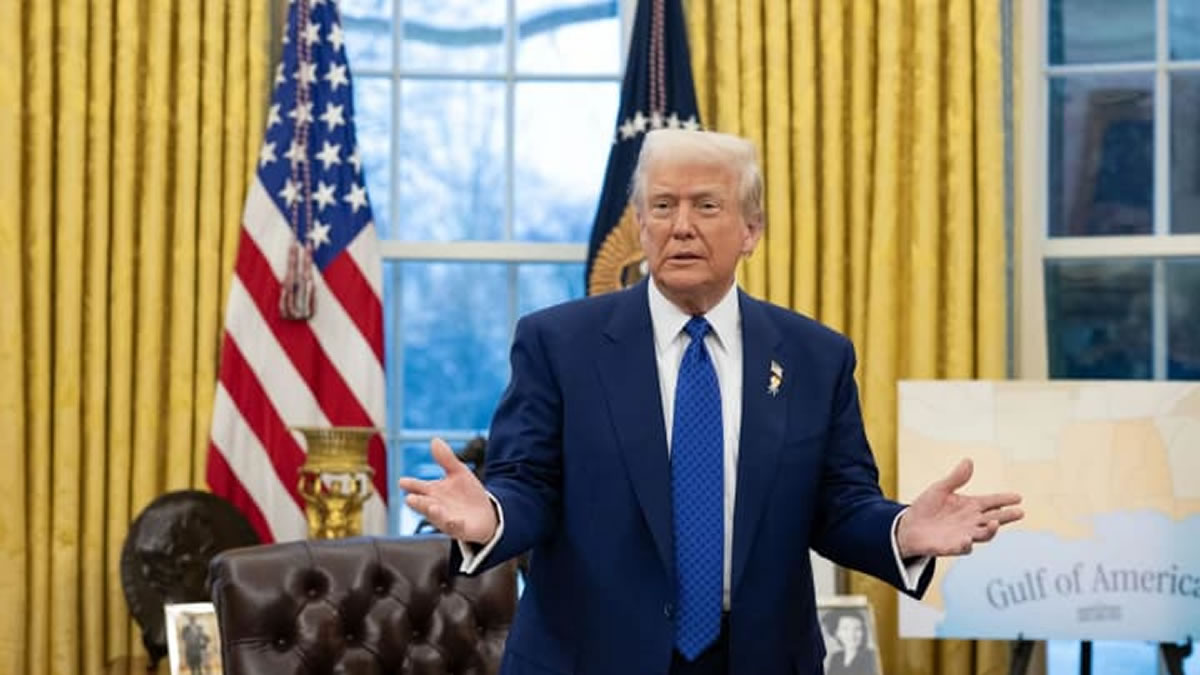
The Trump administration is aggressively pushing federal agencies to reclassify marijuana to Schedule III and has signed an executive order to accelerate clinical research into psychedelic therapies like ibogaine for veterans.
- Imminent DEA Action: The Drug Enforcement Administration is expected to announce new administrative hearings to expedite marijuana's move from Schedule I to Schedule III.
- Medical Focus, Not Decriminalization: President Trump emphasized these moves are strictly to facilitate medical research and patient access, not to federally decriminalize recreational use.
- Psychedelic Executive Order: A new presidential directive allocates $50 million to fast-track FDA and DEA "Right to Try" pathways for psychedelics treating PTSD and opioid dependence.
- Shifting Public Support: Recent polling shows 53% of Americans support marijuana legalization, a slight decline from previous years as the drug becomes more ubiquitous.
The Trump administration has directed federal agencies to prepare for the imminent reclassification of marijuana while simultaneously issuing an executive order to fast-track psychedelic drug research. This aggressive policy shift aims to expand medical treatment access for veterans and patients with severe illnesses, stopping short of federal decriminalization.
The Drug Enforcement Administration (DEA) is preparing to announce initial steps, including a new administrative hearing, to reclassify marijuana. Sources indicate the goal is to move cannabis from its current Schedule I status—a restrictive tier shared with heroin and LSD—to Schedule III, which houses common prescription painkillers.
President Trump recently expressed frustration with the slow pace of the rescheduling process. To expedite the move, the administration reportedly plans to terminate stalled hearings initiated under the Biden administration's 2024 Department of Justice recommendation and launch a streamlined process.
Despite the push for reclassification, the administration remains firm that this is not a step toward federal decriminalization. The policy change is designed to break down barriers for scientific research and medical applications. It will not alter the sentences of individuals currently incarcerated for federal marijuana possession or distribution charges.
Public sentiment regarding marijuana legalization remains favorable, though recent data indicates a slight softening in support, particularly among Republicans, as the drug becomes more visible in major cities and concerns over youth usage arise.
| Polling Period (Source) | Overall Adult Support for Legalization | Republican Support for Legalization |
|---|---|---|
| April 2022 (YouGov) | 60% | 46% |
| Current (Economist/YouGov) | 53% | 35% |
In tandem with the marijuana policy shift, the White House is making unprecedented moves to embrace psychedelic medicine. Over the weekend, President Trump signed an executive order specifically targeting treatments for veterans suffering from PTSD, traumatic brain injury, and opioid dependence.
The directive orders the federal government to study ibogaine, an African shrub derivative, and psilocybin. Crucially, it instructs the FDA and DEA to establish a specific "Right to Try" pathway for eligible patients to access these investigational drugs.
To back this initiative, the executive order allocates at least $50 million in existing funds to support state governments developing psychedelic programs for serious mental illnesses. It also mandates that once a Schedule I substance successfully completes Phase 3 trials for a serious mental health disorder, the attorney general must initiate rescheduling reviews as quickly as practicable.
Secretary of Health and Human Services (HHS) Robert F. Kennedy Jr. has publicly reinforced this stance. Speaking on a recent podcast, Kennedy stated the administration is "very anxious" to finalize rules allowing patients to access therapies like MDMA and psilocybin in highly controlled clinical settings.
While an executive order provides significant institutional weight, experts caution that the regulatory process remains complex. Agencies like the HHS and DEA are still legally obligated to conduct thorough public health and safety analyses before any Schedule I substance is officially reclassified or approved for widespread medical use.
