


The Virginia Cannabis Control Authority (CCA) has issued its first draft framework governing adult-use recreational marijuana sales, establishing the regulatory structure for businesses entering the market next year. The draft introduces tight licensing quotas, operational boundaries, and fee schedules ahead of the state's projected application launch on February 1.
Licensing Fees and Microbusiness Requirements
The CCA proposal limits Virginia to 350 retail licenses statewide, matching the footprint of state-run ABC liquor stores. Securing a license will require capital up front, creating financial hurdles for incoming operators.
| Requirement | Details |
|---|---|
| Application Fee | $4,000 non-refundable |
| Initial Authorization Fee | $20,000 upon approval |
| Annual Renewal Fee | $15,000 yearly |
| Statewide Retail Cap | 350 total dispensary licenses |
Charlie Alovisetti, partner at Vicente LLP, advises applicants to secure their capital and real estate early. "The challenge has primarily been financing. It’s been tough to raise the money in today’s environment. And the second challenge is real estate," Alovisetti said. He noted that microbusiness licenses require operators to cultivate, process, and sell within 18 months, though retail remains the lowest-cost entry point.
The state has also designated "impact licenses" for economically disadvantaged applicants or residents from areas historically affected by cannabis policing. These licensees cannot transfer majority ownership for five years outside of direct family transfers.
Storefront Restrictions and Purchase Limits
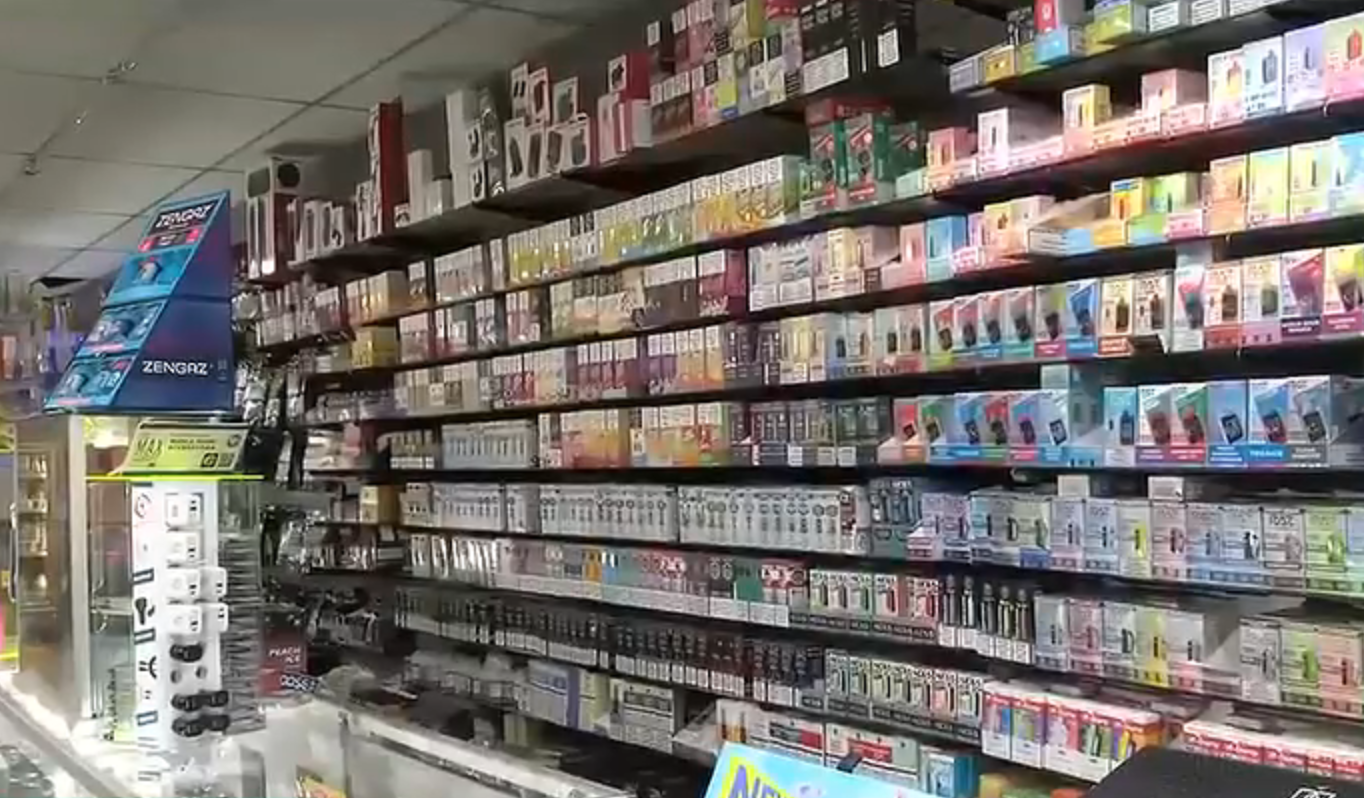
The draft places direct constraints on retail logistics. Dispensaries must locate at least 1,000 feet away from public, private, or religious K-12 schools, licensed child care centers, daycares, colleges, and hospitals. Drive-thru windows, curbside service, and automated vending machines are prohibited.
Individual purchases are capped at two ounces of marijuana per transaction, or an equivalent volume in other forms:
- Up to eight grams of cannabis concentrate.
- Up to 800 milligrams of THC in infused edible products.
Lawmakers Challenge Absence of Local Control
The draft has drawn criticism from state lawmakers over community control. Senator Glen Sturtevant raised objections that local municipalities lack the legal authority to ban dispensaries.
"Most people don’t realize that your county or your city can’t opt out of having these recreational marijuana shops in your town," Sturtevant stated. "This prevents localities from having that freedom and being able to make that decision for themselves."
Sturtevant also pointed out that while single transactions are capped at two ounces, the draft does not explicitly restrict the number of separate transactions an individual can make in one day. Public comment on the CCA draft remains open through December, when the board expects to finalize the text.
