


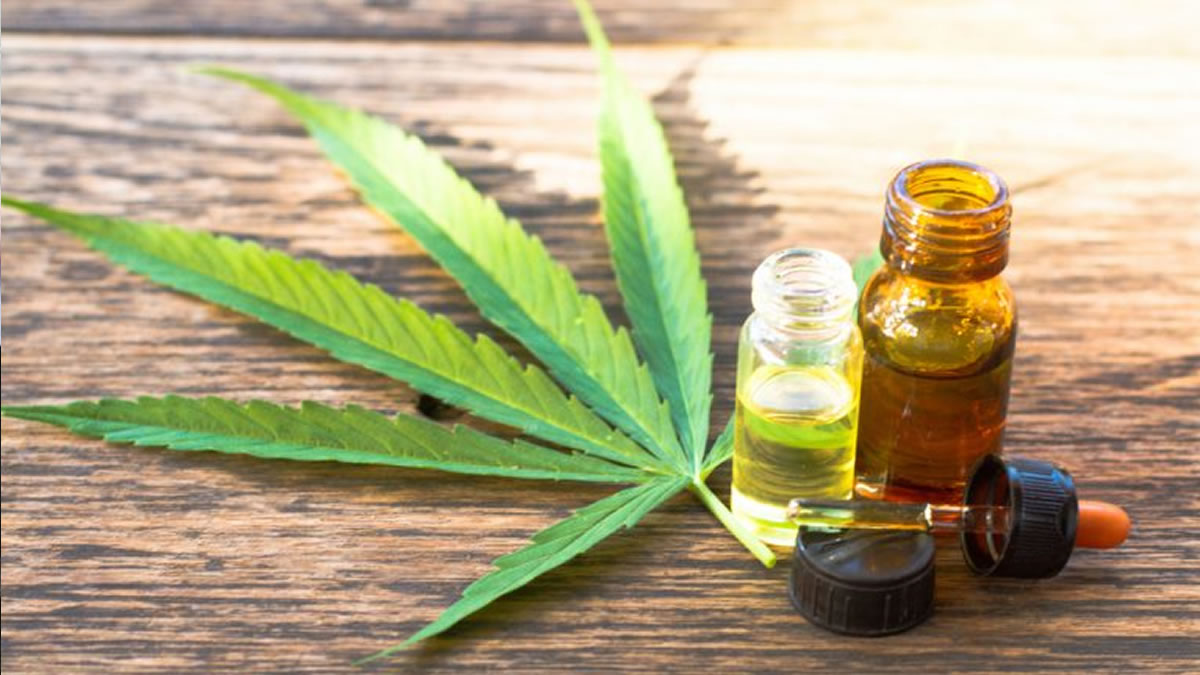
The UK wellness market faces a regulatory shift as lawmakers align CBD and nicotine-free vapes with tobacco control laws. Under the Tobacco and Vapes Act, which received Royal Assent on April 29, 2026, wellness-branded e-liquids must now comply with strict product standards, tax duties, and age restrictions.
This policy alignment affects how herbal supplements, sleep aids, and topical treatments are sold when packaged in vaporized formats. For businesses tracking the wellness market, these rules dictate the future of product formulation, pricing, and retail display.
Why Vape Liquids Overlap with the Wellness Sector
Vape liquids have entered the wellness sector as smoking-cessation aids and lifestyle choices. Many nicotine e-liquids are sold to help smokers transition away from traditional tobacco. CBD e-liquids extend this positioning, marketed for relaxation and sleep support rather than nicotine delivery.
Additionally, nicotine-free formats cater to consumers who want the physical habit of vaping without the chemical dependency. This crossover places these products in the same retail spaces as dietary supplements, bringing them under the scrutiny of tobacco-control regulators.
Navigating UK Vaping Legislation for Wellness Brands
Wellness-positioned vapes do not fall under general food supplement laws. Instead, they are governed by dedicated tobacco legislation, primarily the Tobacco and Related Products Regulations 2016 and the Tobacco and Vapes Act 2026. Retailers stocking CBD vapes alongside vitamins must meet these specific vaping rules.
The distinction between general wellness regulations and tobacco laws is critical for compliance. While CBD oils taken orally are regulated as novel foods, CBD e-liquids are classified strictly as vaping products. This classification subjects wellness-branded vapes to tobacco-control protocols, regardless of their health claims.
Core Rules Governing E-Liquid Products
UK law enforces strict limits on product specifications, regardless of whether the liquid contains nicotine. These national standards override any voluntary wellness branding. The primary restrictions include:
- Nicotine strength is capped at 20 mg/ml.
- Refillable tank capacity is restricted to 2 ml per device.
- Nicotine-containing e-liquid bottles are capped at 10 ml.
- All products must be registered with the Medicines and Healthcare products Regulatory Agency (MHRA) before retail distribution.
Comparing Nicotine and Nicotine-Free Wellness Vapes
The 10 ml bottle limit applies only to nicotine-containing liquids, creating a distinct market division for larger-volume wellness products. A 100ml shortfill bottle contains zero nicotine, allowing it to bypass the 10ml bottle limit. Consumers typically add a separate 10ml nicotine shot to reach their desired strength.
| Product Feature | Nicotine E-Liquids | Nicotine-Free / CBD E-Liquids |
|---|---|---|
| Bottle Size Limit | Maximum 10 ml | No limit (e.g., 100ml shortfills) |
| Maximum Strength | 20 mg/ml | Not applicable |
| Device Tank Capacity | 2 ml | 2 ml |
| MHRA Registration | Required | Required |
| Vaping Products Duty (Oct 2026) | £2.20 per 10 ml | £2.20 per 10 ml |
The Vaping Products Duty and Price Impacts
Starting October 1, 2026, HM Revenue and Customs will introduce the Vaping Products Duty. This tax imposes a flat charge of £2.20 per 10 ml on all liquids intended for vaporization. Because the duty applies to all vape liquids, nicotine-free and CBD e-liquids face the same tax burden as standard nicotine products.
Under the upcoming duty, a 100ml shortfill wellness liquid will incur £22.00 in tax alone. This alters the cost dynamics of larger-format products. Businesses handling these liquids must register for the duty before the October deadline, and retailers will need to adjust their pricing strategies for CBD alternatives.
Age Verification and Packaging Changes
The statutory purchasing age of 18 is expanding to include zero-nicotine vapes and nicotine pouches, which previously sat outside these restrictions. Retailers must maintain consistent age-verification checks across all hardware and e-liquid lines, as Trading Standards inspections evaluate the entire store inventory.
Furthermore, a July 2026 government consultation proposed plain packaging, flavor name restrictions, and retail display limits. If enacted, these rules will apply to wellness-branded vapes, removing distinct visual marketing for CBD and lifestyle products. A CBD e-liquid and a nicotine vape liquid will answer to the same display and packaging constraints.
