


The Hawaii Department of Health has banned the sale of mood-altering, hemp-derived smokes and gummies, targeting a loophole that allowed unlicensed retailers to sell THC products without medical marijuana cards. This enforcement action has triggered a federal lawsuit from business owners fighting to keep their shops open.
Before the crackdown, consumers in Hawaii could purchase a range of THC products at local smoke shops and convenience stores. These products were often sold at lower prices than those found at the state's officially licensed medical marijuana dispensaries, making them highly popular among residents and tourists alike.
Now, customers are finding empty shelves. "It’s really shitty," said consumer Blake Birdwell after attempting to buy hemp-based products at several Oahu shops. "They’re all telling me, ‘No.’"
The Conflict Between State Enforcement and Federal Law
The dispute centers on how hemp is defined under federal versus state law. The US Congress passed the 2018 Farm Bill, which legalized hemp nationwide as long as the plant contains no more than 0.3% Delta-9 THC by dry weight. This federal law opened the door for a multi-billion-dollar national market for hemp-derived Delta-9 gummies, vapes, and drinks.
However, Hawaii’s state legislature passed a law in 2020 that legalized the cultivation of hemp but prohibited the production or sale of hemp-based THC products. Despite this state-level restriction, out-of-state products continued to flow into Hawaii, creating a gray market that regulators struggled to manage.
By 2024, the US hemp-derived cannabinoid market had grown to an estimated $3.5 billion, with some researchers placing the actual valuation closer to $30 billion due to the popularity of THC-infused beverages. Hawaii regulators are now attempting to claw back control over this rapidly expanding market.
Retailers Face Business Closures and File Lawsuits
For local business owners like Lance Alyas, who operates four Oahu Dispensary and Provisions locations, the state's sudden enforcement is a threat to survival. Alyas has petitioned a federal judge to halt the state's crackdown, arguing that Hawaii is improperly recriminalizing products that are legal under federal law.
The lawsuit has drawn attention from national legal analysts and libertarian publications. Alyas warns that the state's actions will have immediate economic consequences for local workers. "We have 20 people at risk of losing their jobs," Alyas stated, emphasizing the vulnerability of his staff.
Other local retailers, including Natural Mystic and Vape Hawaii, have also had to clear their shelves of hemp-derived products to avoid state penalties, leaving them unable to meet customer demand.
Medical Dispensaries Lobby Against Unlicensed Competitors
While hemp retailers face closures, Hawaii’s eight licensed medical marijuana dispensaries remain unaffected by the crackdown. These dispensaries operate under strict state regulations and require customers to present a doctor's approval to purchase products.
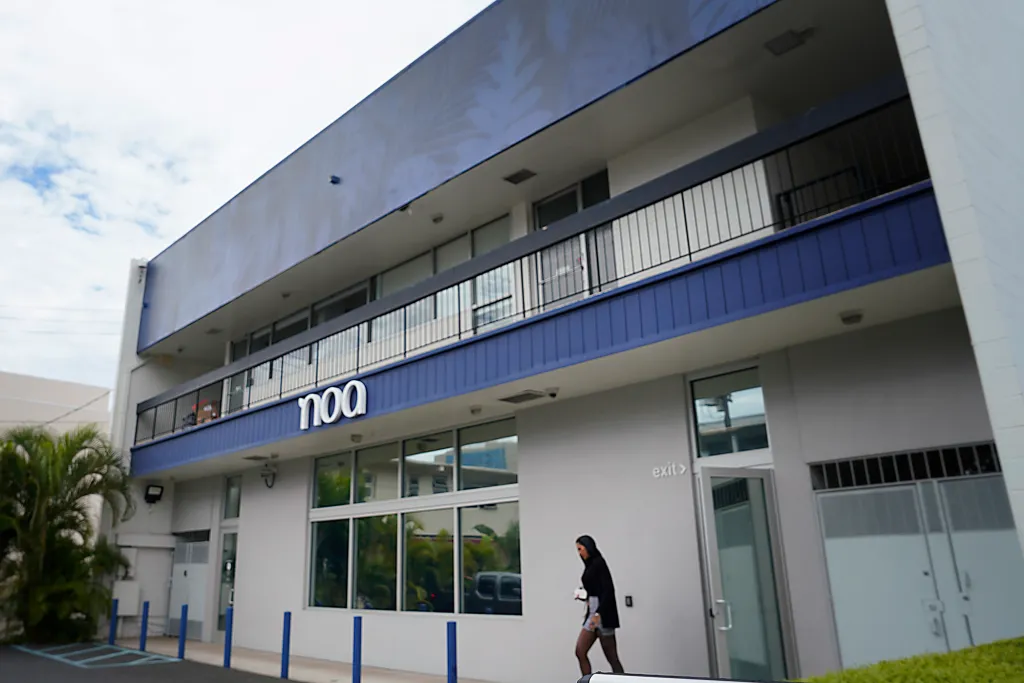
Despite their medical designation, some dispensaries market themselves using lifestyle branding. For example, Noa Botanicals uses the Instagram slogan "Hawaii’s Premier Pakalolo Provider" and advertises "Hawaii Highs" to attract customers.
In late 2024, Noa Botanicals Chief Executive Karlyn Laulusa began lobbying state lawmakers, including House Consumer Protection and Commerce Committee Chair Scot Matayoshi. The lobbying efforts focused on the rise of unlicensed retailers selling hemp-derived THC products, which dispensaries viewed as unregulated competition operating outside the state's established medical framework.
