


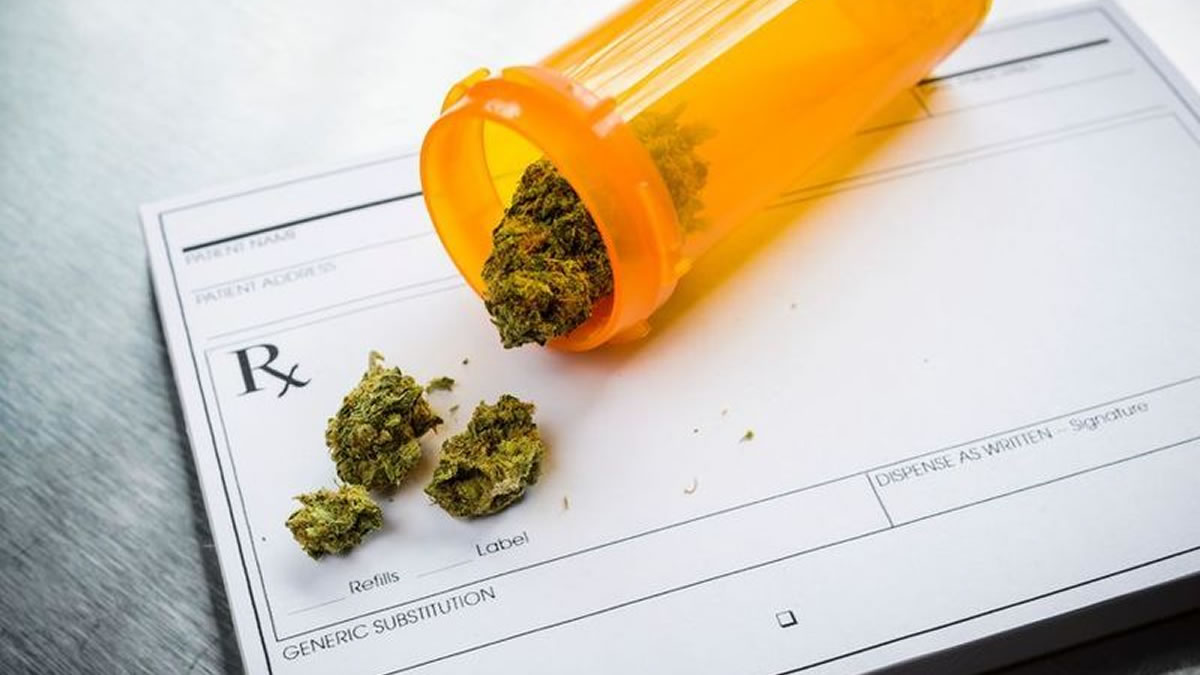
The federal rescheduling of medical marijuana has thrown a wrench into workplace discrimination laws, leaving employers and workers questioning whether the Americans with Disabilities Act (ADA) now protects medical cannabis patients. This legal shift occurs as state-regulated medical marijuana transitions to a Schedule III drug, directly challenging previous court rulings that allowed employers to fire workers for testing positive.
Historically, the ADA provided no safety net for medical marijuana users because cannabis was classified alongside heroin as a Schedule I substance. Since federal law excludes active users of illegal drugs from disability protections, employers held a clear legal advantage.
However, the recent federal reclassification to Schedule III—grouping cannabis with prescription drugs like codeine—means it now has an "accepted medical use." Legal experts warn that courts can no longer rely on federal illegality to dismiss ADA accommodation claims, a shift that could take years to fully resolve.
Opinions remain deeply divided on the immediate impact of the policy change:
- Pro-Legalization Advocates: The Marijuana Policy Project argues the ADA should now protect disabled employees from termination over positive tests, provided they are not impaired on the job.
- State Regulators: Kentucky’s Cabinet for Health and Family Services maintains that rescheduling does not automatically mandate workplace accommodations or alter state-level employment laws.
Importantly, this evolving legal landscape offers zero protection for recreational marijuana users. Because recreational use remains entirely illegal under federal law, employers retain the absolute right to enforce zero-tolerance drug policies for non-medical users.
