


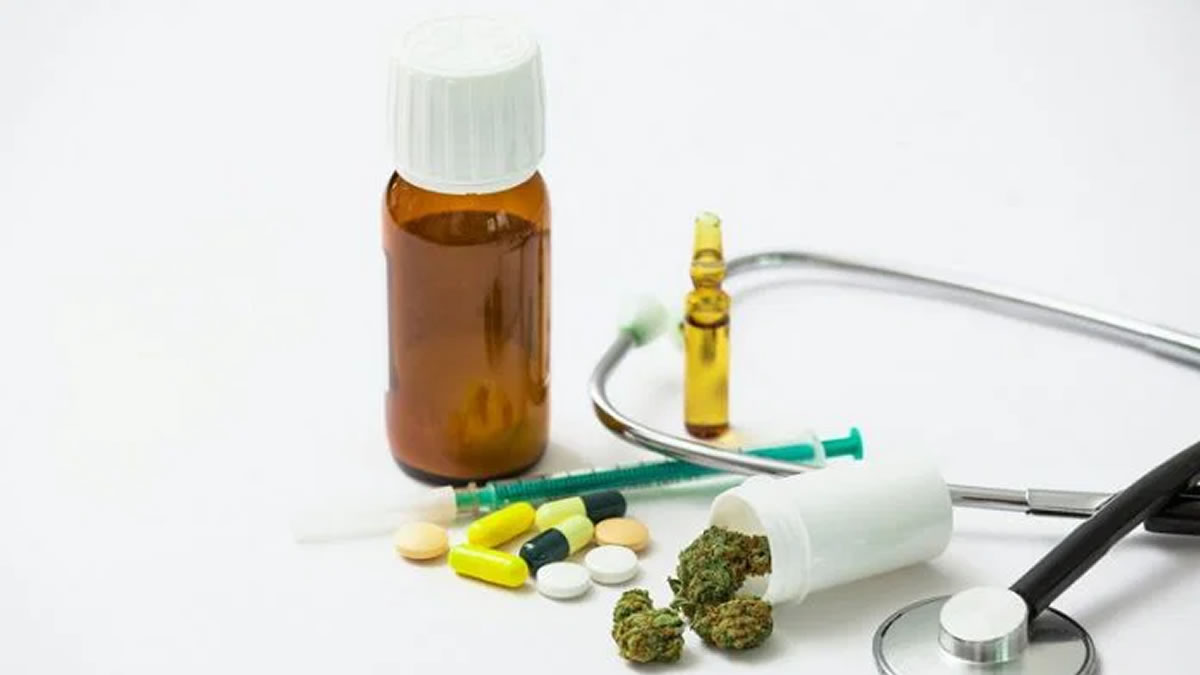
The American Diabetes Association (ADA) has issued urgent warnings regarding recreational cannabis use, citing severe cardiovascular risks, disrupted blood glucose control, and compromised medication adherence. This critical clinical update, integrated into the 2025 ADA Standards of Care, urges healthcare providers to actively screen and counsel patients amidst rising legalization across the United States. As cannabis consumption becomes mainstream, understanding its physiological and behavioral impacts on metabolic health is paramount for modern diabetes management.
Cannabis and Diabetes: Understanding the Biological Link
Cannabis contains over a hundred cannabinoids, primarily tetrahydrocannabinol (THC)—the psychoactive component—and cannabidiol (CBD). These compounds interact directly with the body's endocannabinoid system, a complex regulatory network responsible for maintaining physiological homeostasis, energy balance, and metabolic function.
The biological effects of cannabis depend heavily on which receptors are activated:
- CB1 Receptors: Located predominantly in the central nervous system, adipose tissue, and endocrine organs. Overactivation of CB1 receptors by THC can stimulate appetite and influence insulin signaling pathways.
- CB2 Receptors: Found mainly on immune cells and in the peripheral nervous system, playing a role in inflammatory responses.
- CBD Targets: CBD has minimal direct binding to CB1 or CB2 receptors. Instead, it interacts with targets like the transient receptor potential vanilloid 1 (TRPV1) channel, which modulates peripheral pain sensitivity and inflammation.
While the endocannabinoid system is an attractive therapeutic target, the real-world impact of recreational cannabis use on diabetes is increasingly concerning. Recent data shows global cannabis use has climbed to an estimated 219 million users. In the U.S., a cross-sectional survey of adults with diabetes revealed that past-month cannabis use was highly prevalent among younger demographics, with 48.9% of users under the age of 50. This cohort was also independently associated with living in states with legalized cannabis, a history of depression, and increased emergency department utilization.
Cannabis Use and Diabetes: Risks vs. Benefits
Early clinical hypotheses suggested that cannabis might improve insulin sensitivity and lower fasting insulin levels. However, real-world clinical application has failed to support these hopes, particularly for patients with diagnosed diabetes.
Dr. Ajani Jackson, a board-certified psychiatrist and clinical advisor at Marietta Springs Behavioral Healthcare, emphasizes this disconnect. "While some population studies suggest lower fasting insulin levels and waist circumference among cannabis users, these findings do not clearly apply to people with T1D or Type 2 Diabetes (T2D)," Dr. Jackson explains. "In T1D, cannabis use is associated with a higher risk of diabetic ketoacidosis and related hospitalizations. In T2D, its effects are largely indirect, driven by behaviors such as increased appetite that can cause glucose spikes."
To help clinicians distinguish the varying impacts of cannabis across different diabetes diagnoses, the table below outlines the primary clinical presentations and risks:
| Diabetes Type | Primary Clinical Risks of Cannabis Use | Key Physiological Mechanisms |
|---|---|---|
| Type 1 Diabetes (T1D) | 2- to 3-fold increased risk of Diabetic Ketoacidosis (DKA)Hyperglycemic Ketosis associated with CHS (HK-CHS)Suboptimal self-management and missed insulin doses | Delayed gastric emptying, severe vomiting leading to dehydration, and impaired cognitive symptom recognition. |
| Type 2 Diabetes (T2D) | 4-fold greater risk of developing T2D in chronic usersSevere blood glucose fluctuationsIncreased risk of peripheral arterial occlusion and myocardial infarction | THC-induced appetite stimulation (the "munchies") leading to binge eating, weight gain, and acute glucose spikes. |
The Double Threat of DKA and CHS
For patients with T1D, the intersection of cannabis use and metabolic control can be life-threatening. Chronic cannabis use can trigger Cannabis Hyperemesis Syndrome (CHS), characterized by cyclical nausea, intractable vomiting, and abdominal pain.
In diabetic patients, this manifests as Hyperglycemic Ketosis associated with CHS (HK-CHS). This condition closely mimics classic DKA but follows a distinct clinical sequence. While classic DKA begins with insulin deficiency leading to hyperglycemia and subsequent gastrointestinal distress, HK-CHS begins with early-morning vomiting. The resulting dehydration and stress-induced hormone release trigger rapid ketosis and secondary hyperglycemia. Misdiagnosing HK-CHS as standard DKA can lead to improper long-term management if the underlying cannabis use is not identified and addressed.
Blood Glucose Management and Medication Adherence
Population-level data from the National Survey on Drug Use and Health (NSDUH) indicates that cannabis use directly interferes with effective diabetes self-management. Patients with T1D who use cannabis regularly exhibit higher overall HbA1c levels, are less likely to utilize continuous glucose monitors (CGMs) or insulin pumps, and report poorer self-management scores.
Several distinct mechanisms drive this decline in glycemic control:
- Cognitive Impairment: THC impairs executive function, short-term memory, and motivation. This makes patients far more likely to forget to bolus, skip routine finger sticks, or miss daily medications like metformin.
- Delayed Gastric Motility: Cannabinoids slow down the digestive tract. This delayed gastric emptying makes glucose absorption highly unpredictable, leading to severe mismatches between insulin timing and carbohydrate absorption.
- Psychological Burnout: Many patients turn to cannabis to cope with the mental burden of chronic disease. While it may offer temporary anxiety relief, it frequently promotes behavioral disengagement from daily self-care routines.
Cardiovascular Consequences: Straining a Vulnerable System
Diabetes is already a major independent risk factor for cardiovascular disease. Introducing cannabis to this patient population adds significant physical stress to an already compromised vascular system. Observational studies show that cannabis use in patients with T2D is linked to significantly higher rates of myocardial infarction, renal disease, and peripheral arterial occlusion.
Even in younger adults under 50 without traditional cardiovascular risk factors, active cannabis use is associated with a 4-fold greater risk for ischemic stroke, a 2-fold greater risk for heart failure, and a 1.5 times higher likelihood of experiencing a heart attack compared to non-users.
Dr. Halis Kaan Akturk, associate professor of medicine and pediatrics at the Barbara Davis Center for Diabetes, notes that the cardiovascular strain of cannabis is immediate. Dr. Jackson adds that cannabis acts as a direct cardiac stressor, causing acute tachycardia (rapid heart rate) and sudden fluctuations in blood pressure. When these hemodynamic shifts occur in blood vessels already damaged by chronic hyperglycemia, the risk of acute plaque rupture, myocardial infarction, or stroke rises exponentially.
Clinical Counseling and Practice Gaps
To bridge the gap between patient perception and clinical reality, providers must adopt proactive, nonjudgmental screening strategies. Because many patients view cannabis as a "natural" and low-risk substance, traditional, stigmatizing questions often lead to underreporting.
Dr. Jackson recommends asking open-ended, functional questions, such as inquiring whether a patient utilizes cannabis to assist with sleep, anxiety, or neuropathic pain. Once use is disclosed, clinicians should employ a harm-reduction approach:
- Advise against smoking cannabis to protect cardiovascular and respiratory health, suggesting alternative routes if cessation is not immediately achievable.
- Counsel patients never to use cannabis alone, ensuring someone is present to assist if a metabolic or cardiovascular emergency occurs.
- Encourage more frequent blood glucose monitoring via CGMs or finger sticks during and immediately after cannabis use to prevent severe hypoglycemic or hyperglycemic episodes.
Future Research Directions
Despite the clinical urgency, extensive gaps remain in our understanding of cannabis and diabetes. Dr. Akturk highlights the critical need for long-term prospective studies to track the longitudinal metabolic and cardiovascular outcomes of cannabis users with diabetes. Additionally, securing robust federal and non-profit funding remains a challenge due to regulatory hurdles surrounding cannabis research.
Furthermore, future studies must distinguish between the metabolic impacts of isolated cannabinoids. While CBD shows potential anti-inflammatory properties, the vast majority of recreational users consume high-THC products. Distinguishing these compounds in clinical trials will be essential to establishing evidence-based guidelines for diabetes care in an increasingly cannabis-tolerant society.
References:
- Skolnik N, Wettergreen S, Akturk HK. Diabetes Day by Day. Cannabis and Diabetes: What You Should Know. November 19, 2025. Accessed January 1, 2026. https://diabetesdaybyday.libsyn.com/site/cannabis-and-diabetes-what-you-should-know
- American Diabetes Association Professional Practice Committee. Summary of revisions: Standards of Care in Diabetes—2025. Diabetes Care. 2025;48(Suppl. 1):S6–S13. doi:10.2337/dc25-SREV
- Benjamin HH, Jeremy HP, Kevin HY, et al. Past-month cannabis use among adults with diabetes in the U.S., 2021–2022. Diabetes Care. Published online August 27, 2024. doi:10.2337/dc24-0597
- Anderson LL, Etchart MG, Bahceci D, et al. Cannabis constituents interact at the drug efflux pump BCRP to markedly increase plasma cannabidiolic acid concentrations. Sci Rep. Published online July 22, 2021. doi:10.1038/s41598-021-94212-6
- Porr CJ, Rios P, Bajaj HS, et al. The effects of recreational cannabis use on glycemic outcomes and self-management behaviours in people with type 1 and type 2 diabetes: a rapid review. Syst Rev. 2020 Aug 17;9:187. doi:10.1186/s13643-020-01411-9
- Rabino M, Mallia S, Castiglioni E, et al. The endocannabinoid system and cannabidiol: past, present, and prospective for cardiovascular diseases. Pharmaceuticals. Published online September 17, 2021. doi:10.3390/ph14090936
- Danielsson AK, Lundin A, Yaregal A, et al. Cannabis use as risk or protection for type 2 diabetes: a longitudinal study of 18 000 Swedish men and women. J Diabetes Res. 2016 Oct 24;2016:6278709. doi: 10.1155/2016/6278709
- European Association for the Study of Diabetes. Cannabis use may quadruple diabetes risk. Science Daily. Published online September 14, 2025. Accessed January 1, 2025. https://www.sciencedaily.com/releases/2025/09/250914205803.htm
- Cannabis use in adults and adolescents with diabetes. Diabetes Canada. August 2020. Accessed January 1, 2026. https://www.diabetes.ca/advocacy—policies/our-policy-positions/cannabis-use-in-adults-and-adolescents-with-diabetes
- Hopcroft A and Garza M. Marijuana and diabetes: what you need to know. The diaTribe Foundation. Published online September 3, 2024. Accessed January 1, 2026. https://diatribe.org/lifestyle/marijuana-and-diabetes-what-you-need-know
- Gregory LK, Halis KA, Daniel DT, et al. Cannabis use is associated with increased risk for diabetic ketoacidosis in adults with type 1 diabetes: findings from the T1D Exchange clinic registry. Diabetes Care. 2020;43(1):247–249. doi:10.2337/dc19-0365
- Giese D, Kinney GL, Rasmussen CG, et al. Cannabis use, diabetes self-management, and diabetic ketoacidosis (DKA) in adults with type 1 diabetes (T1D). Diabetes. 2021;70(Supplement_1):1114-P. doi:10.2337/db21-1114-P
- Storck W, Elbaz M, Vindis C, et al. Cardiovascular risk associated with the use of cannabis and cannabinoids: a systematic review and meta-analysis. BMJ. Published online June 17, 2025. doi:10.1136/heartjnl-2025-326169
- Cannabis users face substantially higher risk of heart attack. News release. American College of Cardiology. March 18, 2025. Accessed January 1, 2026. https://www.acc.org/About-ACC/Press-Releases/2025/03/17/15/35/Cannabis-Users-Face-Substantially-Higher-Risk
- Jeffers AM, Glantz S, Byers AL, et al. Association of cannabis use with cardiovascular outcomes among US adults. JAHA. Published February 28, 2024. doi:10.1161/JAHA.123.030178
