


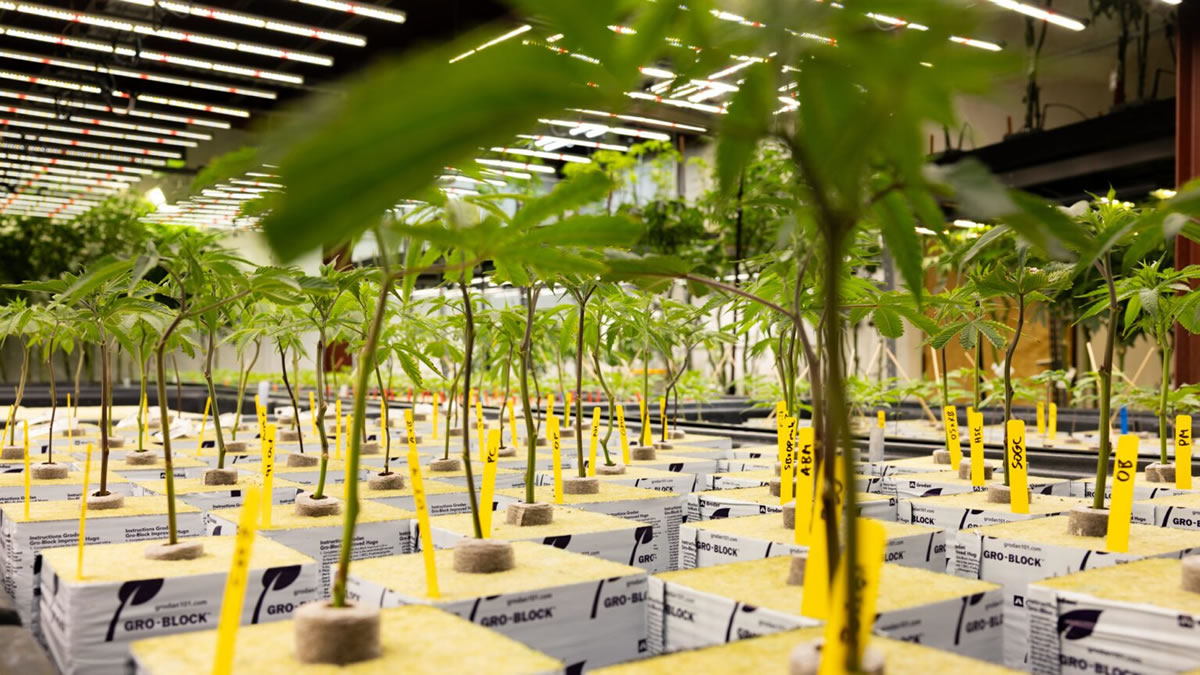
Cannabis workers may face significant respiratory hazards. A groundbreaking study by the University of Washington is investigating potential occupational lung diseases in the industry, prompted by worker fatalities linked to work-related asthma. The research aims to identify risks from airborne contaminants and recommend safety protocols.
Key Takeaways:
- First-of-its-Kind Study: UW researchers are leading a pioneering investigation into cannabis workplace safety.
- Respiratory Risks: Focus is on airborne contaminants and potential lung damage from trimming and processing.
- Industry Cooperation: Facilities like SubX are participating to gather hard data and improve worker safety.
- Fatal Precedents: The study responds to deaths in Massachusetts and California linked to occupational asthma.
Cannabis workplace safety refers to the protocols and conditions protecting employees in the marijuana production and processing industry, a sector that has historically lacked specific health data due to federal restrictions. Now, researchers from the University of Washington (UW) Department of Environmental & Occupational Health Sciences are launching a groundbreaking study to fill this critical knowledge gap.
Groundbreaking Research into an Understudied Industry
Despite the rapid growth of the legal cannabis industry, with thousands of new workers hired annually, little is known about the specific occupational hazards they face. "The cannabis industry is pretty understudied historically because it is a Schedule I drug," explained Callan Krevanko, a PhD student leading the field research. "To our knowledge, we’re the first study that’s looking into these things."
The urgency of this research is underscored by tragic precedents: two cannabis industry workers, one in Massachusetts and another in California, have died due to work-related asthma. Funded by the National Institute for Occupational Safety and Health, the UW team aims to test over 100 workers across approximately 10 facilities in Washington state to prevent future tragedies.
Fieldwork at SubX: Gathering Hard Data
One of the participating facilities is Subdued Excitement (SubX), a producer and processor in Ferndale. Co-founder Nick Cihlar welcomed the researchers, acknowledging the potential for uncovering issues. "I think there is, in fact, going to be a problem found with the industry... that there is insufficient air filtration," Cihlar noted. He highlighted that while general safety standards exist, cannabis-specific regulations are sparse.
The UW team spent a week at SubX monitoring airborne contaminants and performing health tests on workers. Particular attention is being paid to the "trimming" process, where workers remove excess plant material, creating an unavoidable particulate cloud. "This is a chance to get some hard data about what’s actually happening," Cihlar added.
Goal: Affordable Interventions, Not Punishment
The study aims to conclude field research this winter and offer practical recommendations rather than punitive measures. Principal investigator Coralynn Sack emphasized the goal of providing affordable interventions, such as:
- Improved local exhaust ventilation systems.
- Specific personal protective equipment (PPE) recommendations.
- Best practices for reducing particulate exposure.
As the industry matures, this research represents a vital step toward ensuring that the agricultural nature of cannabis production doesn't come at the cost of worker lung health.
