


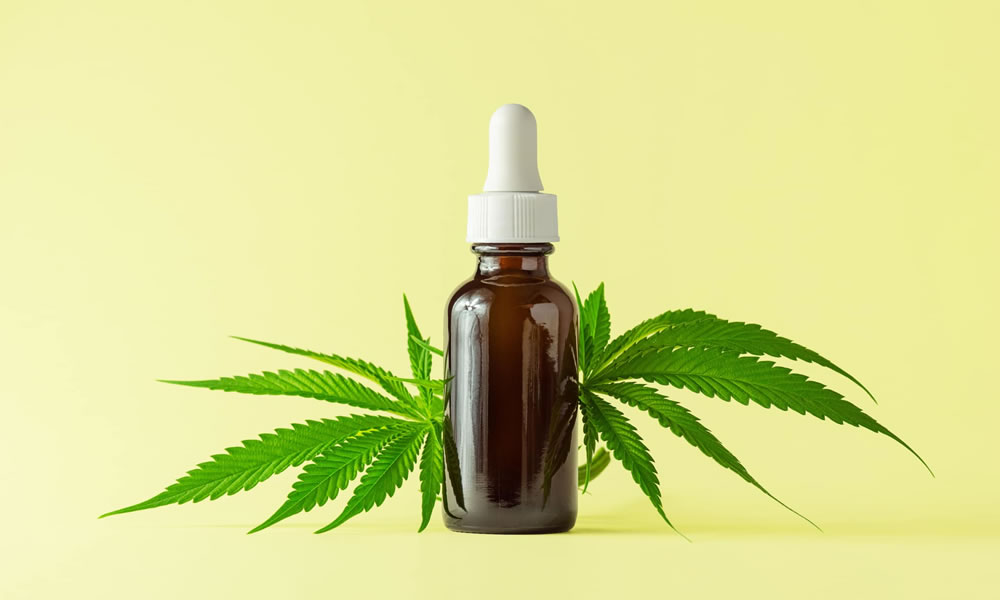
A comprehensive new systematic evidence review has shed fresh light on the efficacy of cannabis products for pain relief, offering findings that may surprise many users and healthcare providers. The study, conducted by researchers at Oregon Health & Science University (OHSU) and published in the Annals of Internal Medicine, concludes that while products containing high levels of tetrahydrocannabinol (THC) may provide small, short-term improvements in pain, they also carry an increased risk of adverse side effects. Perhaps most notably, the review found that products containing mainly or only cannabidiol (CBD) demonstrated almost no benefit for pain management.
The review is an update to a "living review" first published in 2022, incorporating several new randomized controlled trials. It aimed to evaluate the effectiveness of various cannabis-based products, categorizing them by their THC-to-CBD ratio, source (synthetic vs. plant-based), and method of administration.
THC: Small Gains, Tangible Risks
The analysis found that oral products containing 100% THC (or its analogues) did offer a statistically significant reduction in pain severity and improvement in function. However, the magnitude of this relief was modest. Dr. Roger Chou, the study's lead author and senior adviser for the Pacific Northwest Evidence-based Practice Center at OHSU, noted that the improvement was typically "on the order of a half point to a point compared with a placebo on a 10-point pain scale."
This slight benefit comes with a trade-off. The data showed that THC-based products were linked to "moderate-to-large increases" in common adverse symptoms, including dizziness, sedation, and nausea. The review specifically highlighted evidence supporting the use of two prescribed products, dronabinol and nabilone (both FDA-approved for other conditions like chemotherapy-induced nausea), for pain relief, though their side effect profile remains a consideration.
The CBD Surprise: "Almost No Improvement"
In a finding that challenges widespread consumer perception, the review concluded that recent trials involving products consisting mainly or entirely of CBD showed "almost no improvement" in managing pain. CBD, the non-psychoactive compound in cannabis, has surged in popularity as a wellness supplement, often marketed for its supposed analgesic and anti-inflammatory properties without the "high" of THC.
"This may be surprising to people," said Dr. Chou. "Conventional wisdom was that CBD was promising because it doesn't have euphoric effects like THC and it was thought to have medicinal properties. But, at least in our analysis, it didn't have an effect on pain." He acknowledged the disconnect between scientific findings and consumer habits, noting that while many people use dispensary-bought CBD products believing they help, the goal of the study is "to provide some scientific basis to help people make their decisions."
A Complex Landscape for Patients and Doctors
The study underscores the complexity of using cannabis as medicine. Unlike standardized pharmaceuticals like ibuprofen, cannabis products vary wildly depending on cultivation, preparation, and chemical composition. "It's complicated because cannabis products are complicated," Chou explained. The plant contains multiple chemicals beyond THC and CBD that may interact in ways not yet fully understood.
The medical community remains divided. While some expert panels have issued soft recommendations for cannabis in chronic pain cases where standard treatments fail, the American College of Physicians recently declined to recommend inhaled cannabis for non-cancer pain. The OHSU researchers emphasized the need for more research on long-term outcomes, different product types, and the real-world applicability of these trial results to the products currently available on dispensary shelves.
- Journal reference: Chou, R., et al. (2025). Cannabis-Based Products for Chronic Pain. Annals of Internal Medicine. DOI: 10.7326/ANNALS-25-03152. https://www.acpjournals.org/doi/10.7326/ANNALS-25-03152
