


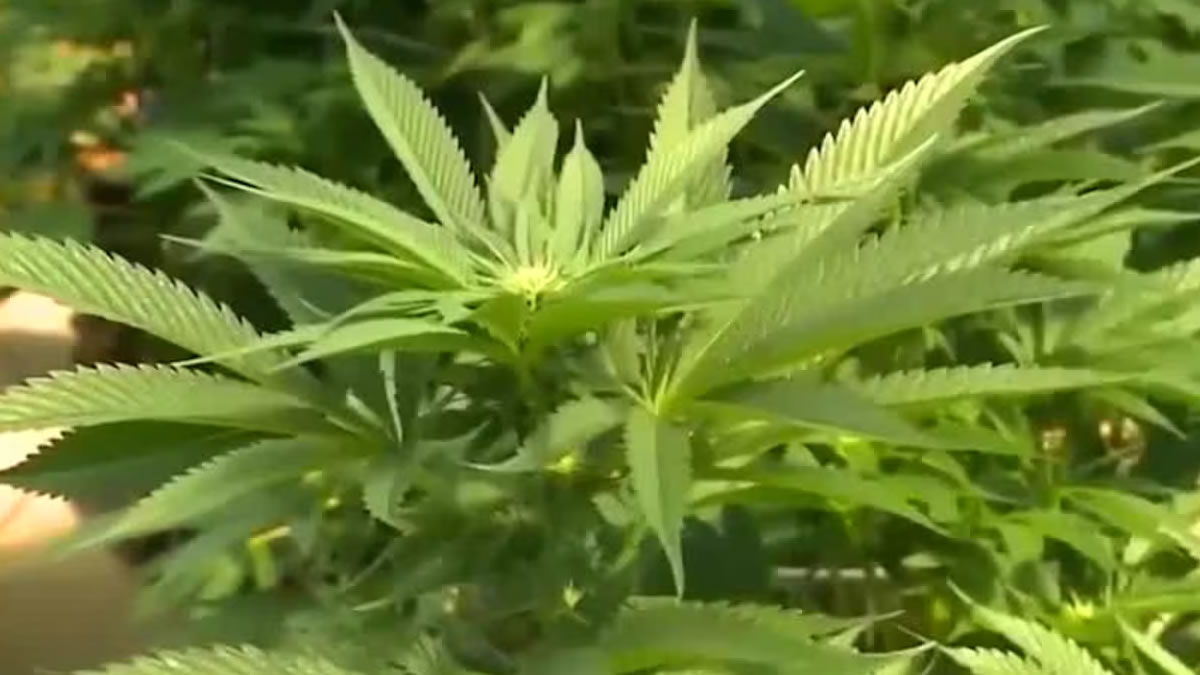
Researchers publishing in the journal Chest have confirmed that inhaling marijuana significantly elevates the risk of asthma attacks among young adults. This development occurs amidst the growing normalization of cannabis use across the United States, directly resulting in urgent calls from medical professionals for a deeper understanding of its respiratory impacts.
Analyzing the PATH Study Data
To explore the relationship between cannabis inhalation and respiratory health, investigators utilized data from the Population Assessment of Tobacco and Health (PATH) study. This longitudinal research project is jointly conducted by the FDA and the National Institutes of Health.
The analysis tracked 4,477 participants aged 18 to 34 across three different waves (2016, 2018, and 2021). The breakdown of marijuana consumption habits among the participants was as follows:
| Marijuana Usage Status (Past 12 Months) | Percentage of Participants |
|---|---|
| Non-Users | 62.94% |
| Combustible Products Only (Smoking) | 17.17% |
| Electronic Products Only (Vaping) | 9.21% |
| Dual Users (Both Smoking & Vaping) | 10.68% |
Consistent Risks Across Consumption Methods
The findings were stark: inhaling marijuana is significantly linked to a higher risk of asthma attacks within a one-year baseline. Approximately 1 in 5 participants were already on prescribed asthma medication.
Compared to non-users, those who consumed marijuana had notably greater odds of reporting an asthma attack:
- Electronic products only: 81% higher risk (Odds Ratio [OR], 1.81).
- Combustible products only: 64% higher risk (OR, 1.64).
- Both electronic and combustible: 57% higher risk (OR, 1.57).
Conversely, participants who scored higher on the Asthma Control Test (ACT) were less likely to report future attacks.
Study Limitations and Future Research
While the data is compelling, the authors noted several limitations. The study relied on self-reporting, which can introduce recall bias. Additionally, it lacked specific information regarding marijuana dosage, the exact level of use, and medication adherence, and was limited by a short one-year follow-up period.
“Given the increasing use of marijuana among young adults, more research is needed to better understand its long-term effects on respiratory health, especially asthma outcomes,” the study authors concluded.
