


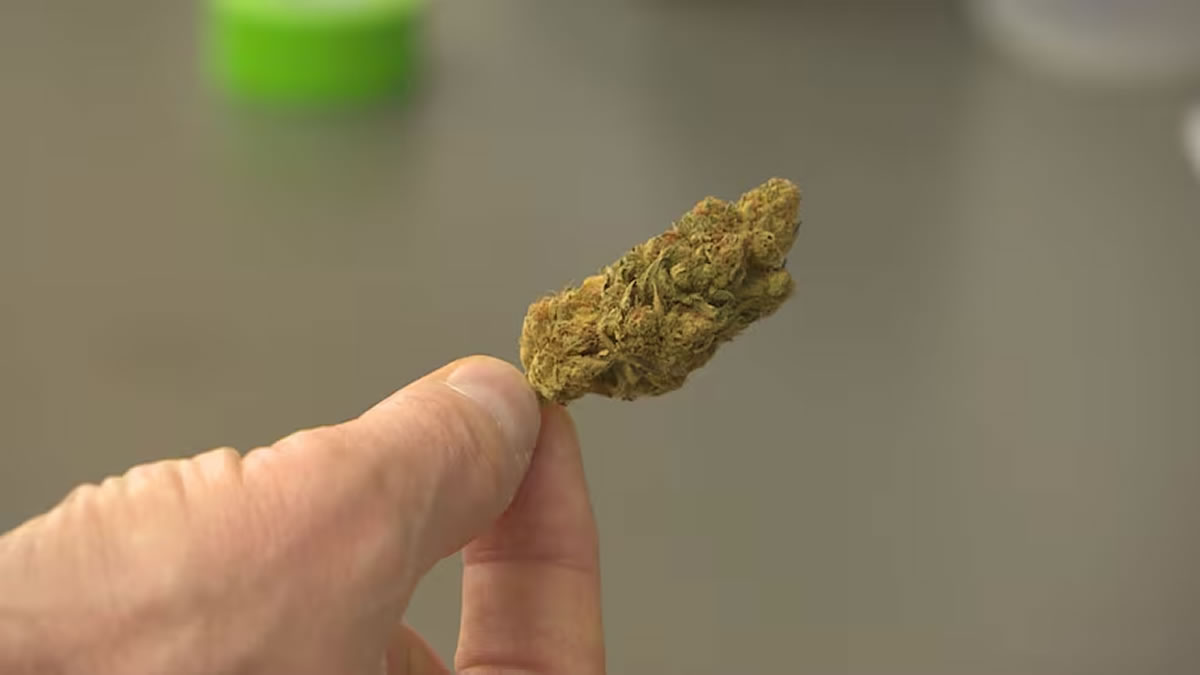
Core Answer: No, using cannabis while pregnant carries significant risks for the developing child. Research indicates that prenatal exposure to THC can lead to lower birth weight, increased anxiety, altered decision-making skills, and potential cognitive and behavioral issues that may persist into adolescence. Experts strongly advise against cannabis use during pregnancy and breastfeeding.
Key Takeaways:
- Developmental Risks: Prenatal THC exposure is linked to lower birth weight and brain development issues.
- Behavioral Impact: Offspring may exhibit higher anxiety, hyperactivity, and attention deficits.
- Long-Term Effects: Potential for poorer school performance and increased risk of substance addiction later in life.
- THC vs. CBD: High-THC exposure appears to have more profound negative impacts than CBD.
Prenatal cannabis exposure refers to the consumption of marijuana products containing THC or CBD during pregnancy, a practice that scientists are increasingly scrutinizing due to its potential to disrupt fetal development. As legalization spreads and potency increases, understanding these risks is critical for expectant mothers.
Why Do Some Pregnant Women Use Cannabis?
Despite the warnings, some pregnant women turn to cannabis products like THC gummies or joints. The reasons are often rooted in symptom management.
According to John Howland, a professor of pharmacology at the University of Saskatchewan, cannabis is sometimes used as an alternative to prescribed medications to alleviate common pregnancy symptoms, including:
- Severe morning sickness and nausea.
- Body pain and discomfort.
- Anxiety and stress.
The Science: What Mice Studies Reveal About THC Exposure
With human studies limited due to ethical constraints, researchers like Howland are turning to animal models to understand the biological impacts. A five-year project at the University of Saskatchewan involves exposing pregnant mice to THC smoke daily to mimic human consumption.
The findings from these rodent studies are concerning:
| Observed Effect | Description in Offspring |
|---|---|
| Anxiety Levels | Offspring exposed to THC showed "freezing" reactions and spent less time exploring open areas, indicating higher anxiety. |
| Decision Making | Altered cognitive skills were observed, with exposed mice learning rules differently, though the implications are complex. |
| Physical Health | Babies were born with below-average birth weights, affecting overall body development. |
Howland noted that THC, the psychoactive compound, has the most profound impact. "It seems that the CBD smoke is less of a factor than the high THC," he stated, though high doses of CBD also showed subtle changes.
Risks to Child Brain Development: From Infancy to Adolescence
The potential harm extends far beyond birth. Anick Berard, a professor of pharmacoepidemiology at the University of Montreal, warns that cannabis use, especially if continued into the second and third trimesters, can affect a child's brain development.
Health Canada and researchers have identified potential risks across different developmental stages:
- Age 0-3 Years: Issues with sleep, exaggerated startle responses, and difficulty calming down.
- Age 3-6 Years: Poor memory, increased impulsivity, and reduced attention span.
- Age 6-10 Years: Learning difficulties, symptoms of depression and anxiety, and decision-making challenges.
- Age 14-18 Years: Poorer academic performance, delinquency problems, and a higher likelihood of early substance use.
"The caveat is that we still don’t have enough data," Berard admitted. "But the data that we have is not reassuring." Unlike fetal alcohol syndrome, there are no distinct physical attributes, making these cognitive and behavioral issues harder to immediately identify but no less real.
The Challenge of Addiction and Potency
A compounding factor is the rising potency of cannabis products. "The dosing [of THC products] has gone up dramatically," Howland warned. "And I think people really need to be aware of that. Less is better."
James MacKillop, an addictions research chair at McMaster University, highlighted the lack of resources for those struggling with cannabis use disorder. "One of the challenges... is [that] we actually don’t have any approved medications or other medical interventions," he noted. For women already struggling with dependency before pregnancy, quitting can be exceptionally difficult without adequate support.
