


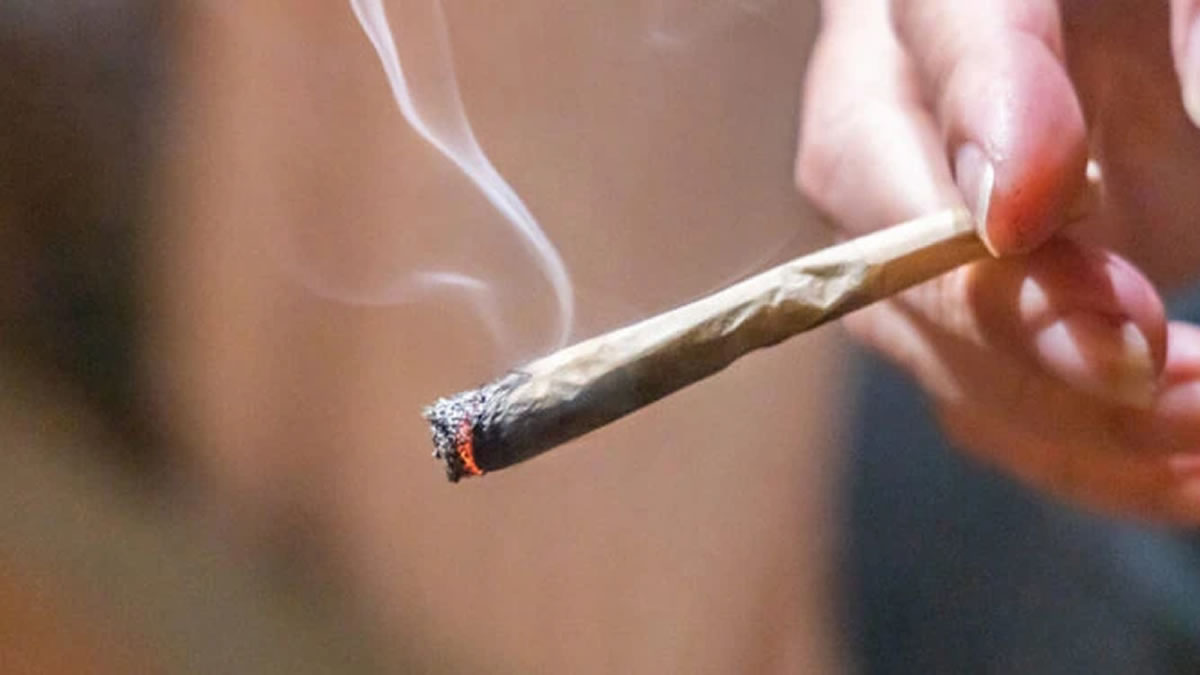
A new experimental study published in the American Journal of Psychiatry has provided intriguing evidence suggesting that smoking cannabis may acutely reduce alcohol consumption among heavy drinkers. The research, led by Jane Metrik and her colleagues, found that participants who smoked cannabis with a higher concentration of tetrahydrocannabinol (THC) consumed significantly less alcohol immediately afterward compared to those who smoked a placebo.
The study aimed to clarify the often-conflicting relationship between cannabis use and alcohol cravings. While some previous research suggested cannabis might hinder alcohol dependence treatment, other studies have hinted at a potential reduction in drinking. This new experiment sought to provide more conclusive data by directly observing consumption patterns in a controlled setting.
Study Methodology: Testing THC Potency
The researchers recruited 157 individuals from the community, with 138 completing at least two sessions for the final analysis. The participants were English speakers aged 21 to 44 who were regular users of both substances. Specifically, they were required to have used cannabis two or more times weekly for the past six months and were prone to "heavy episodic drinking," defined as five or more drinks per occasion for men and four or more for women. Notably, over three-quarters of the participants met the criteria for current cannabis use disorder.
Each participant underwent three randomized experimental sessions, spaced at least five days apart. In these sessions, they smoked cannabis with varying THC levels:
- Low THC: 3.1% THC concentration.
- High THC: 7.2% THC concentration.
- Placebo: Cannabis with negligible THC (0.03%).
Prior to each session, participants abstained from cannabis and tobacco for 15 hours and alcohol for 24 hours. The sessions included assessments of alcohol craving and reactivity to alcohol cues (sight and smell), followed by an "alcohol choice task" where they could choose to drink up to eight mini-drinks or receive monetary compensation ($3) for each drink not consumed.
Key Findings: Reduced Urge and Intake
The results revealed a clear link between THC potency and reduced alcohol consumption. While smoking cannabis did not significantly alter general alcohol cravings as measured by a broad questionnaire, it did impact the specific, immediate "urge" to drink.
- Participants who smoked the 7.2% THC cannabis consumed 27% less alcohol on average compared to the placebo session.
- Those who smoked the 3.1% THC cannabis consumed 19% less alcohol.
"Following overnight cannabis abstinence, smoking cannabis acutely decreased alcohol consumption compared to placebo," the authors concluded. The specific urge to drink alcohol decreased significantly after smoking the higher potency cannabis.
Implications and Context
These findings contribute significantly to the scientific understanding of the interaction between these two commonly co-used substances. However, the authors caution that the study focused on a specific demographic: frequent cannabis users who are also heavy drinkers. These individuals may have developed a tolerance to the substances, meaning the results might not be directly applicable to occasional users. Furthermore, while the study shows an acute reduction in alcohol intake, the long-term implications for treating alcohol use disorder or the potential for cross-addiction remain complex areas for future research.
- The paper, “Acute Effects of Cannabis on Alcohol Craving and Consumption: A Randomized Controlled Crossover Trial,” was authored by Jane Metrik, Elizabeth R. Aston, Rachel L. Gunn, Robert Swift, James MacKillop, and Christopher W. Kahler.
