


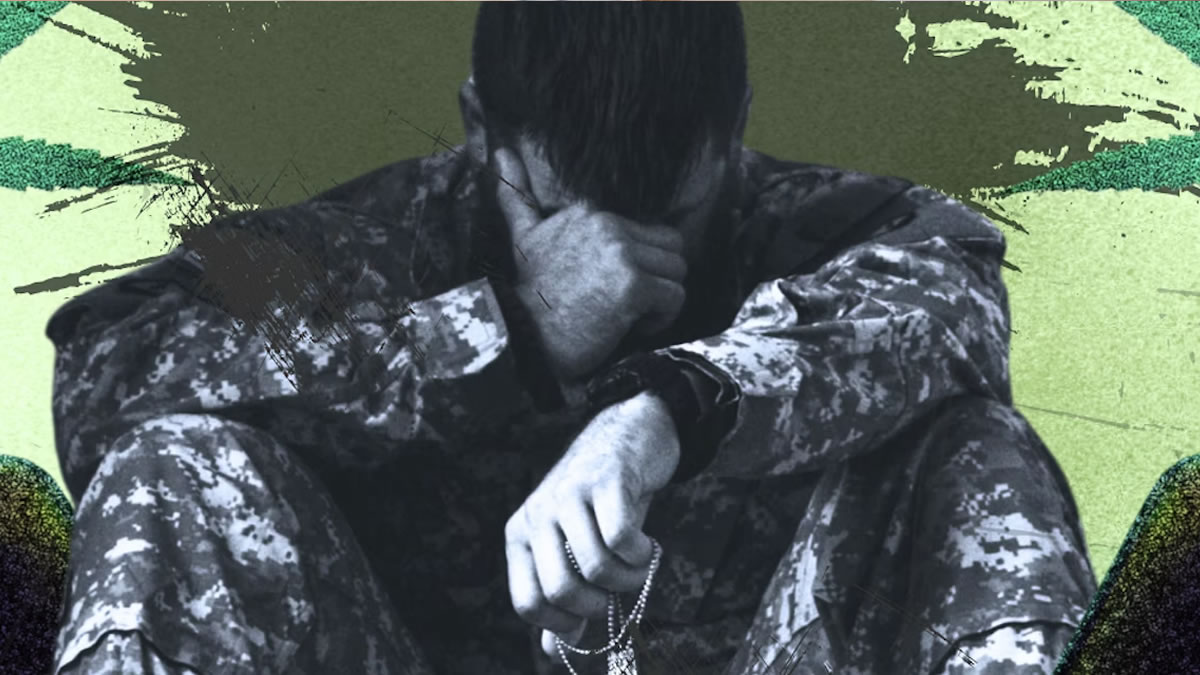
Anxiety, depression, and PTSD are among the most common reasons Australians seek medicinal cannabis. However, a deep dive into the clinical data reveals that while patients are predominantly prescribed high-THC inhaled products, the highest-quality research actually supports CBD-based treatments. Experts warn that high-THC cannabis not only lacks robust evidence for treating mental health conditions but may actively trigger psychosis and severe withdrawal symptoms in vulnerable populations.
The Disconnect: Prescribing Trends vs. Clinical Evidence
In Australia, the landscape of medicinal cannabis is dominated by prescriptions for mental health conditions. According to data from the Therapeutic Goods Administration (TGA), the majority of these prescriptions are for products containing high levels of THC (tetrahydrocannabinol)—the psychoactive compound responsible for the "high." Furthermore, many of these prescriptions are for dried leaf or flower intended to be smoked or vaporized.
This prescribing pattern is largely driven by a specific demographic: men aged 18 to 44. For anxiety alone, there are almost three times more approvals for high-THC products than for products containing only CBD (cannabidiol).
The clinical problem? This trend directly contradicts the best available medical research. Most high-quality clinical trials evaluating cannabis for anxiety have tested CBD-based products, not THC. This highlights a significant gap where Australians are utilizing medicinal cannabis without the foundational evidence required for standard psychiatric treatments.
Evaluating the Evidence: Anxiety, PTSD, and Depression
To understand the efficacy of medicinal cannabis, we must break down the clinical data by specific mental health conditions.
Anxiety
Anxiety is the primary mental health driver for medicinal cannabis requests. While there is emerging evidence that CBD may offer relief for some patients, the findings remain inconsistent. The most comprehensive systematic review on the subject concluded that medicinal cannabis did not meaningfully improve anxiety symptoms overall. The evidence for THC is even more conflicted; while some users report feeling calmer, a significant portion experiences exacerbated anxiety and paranoia.
Post-Traumatic Stress Disorder (PTSD)
The clinical backing for treating PTSD with cannabis is severely limited. A randomized controlled trial testing three strengths of smoked cannabis (12% THC, CBD-dominant, and a 1:1 THC/CBD ratio) found no change in the severity of PTSD symptoms compared to a placebo. Due to this lack of reliable evidence and the known harms of smoking, the Department of Veterans’ Affairs has officially decided not to fund medicinal cannabis for mental health conditions, including PTSD.
Depression
For depression, high-quality evidence is virtually non-existent. A recent systematic review found no relevant randomized controlled trials. A small pilot study testing CBD for bipolar depression found that while the drug was well-tolerated, it failed to alleviate depressive symptoms. Other studies have even highlighted unfavorable effects, including suicidal ideation and acute psychosis.
The Clinical Risks: Psychosis and Vulnerability
The safety profile of high-THC medicinal cannabis is a growing concern among psychiatric professionals. Emerging evidence links the use of high-THC products to acute episodes of psychosis.
The TGA explicitly warns that THC-containing products are generally inappropriate for individuals with a personal or family history of psychosis, schizophrenia, or severe mood disorders. THC acts as a catalyst, potentially triggering or worsening symptoms in vulnerable patients. This risk is exponentially higher for young people whose brains are still developing, and for those who use cannabis on a daily or near-daily basis.
The Withdrawal Trap: Rebound Symptoms vs. Efficacy
A critical misunderstanding among patients involves the cessation of medicinal cannabis. Many individuals who stop using cannabis experience a sudden spike in anxiety or sleep difficulties. Often, patients interpret this as proof that the cannabis was effectively treating their underlying condition.
Clinically, this is frequently a misdiagnosis of cannabis withdrawal. Research indicates that one in three or four people who use cannabis medically will develop dependence. The "rebound" symptoms they experience upon quitting are classic withdrawal markers, not necessarily the return of their original psychiatric disorder.
Expert Verdict: Proceed with Extreme Caution
The current landscape of medicinal cannabis for mental health is characterized by low-quality studies and conflicting outcomes. The evidence is simply not robust enough to recommend THC or CBD as a primary, or even secondary, treatment for anxiety, depression, or PTSD. Given the severe risks of psychosis and dependency—particularly with the high-THC inhaled products currently dominating the Australian market—patients must consult traditional medical professionals rather than relying on specialized cannabis clinics. Personalized psychiatric advice is essential to navigate the significant risks associated with cannabinoid therapies.
