


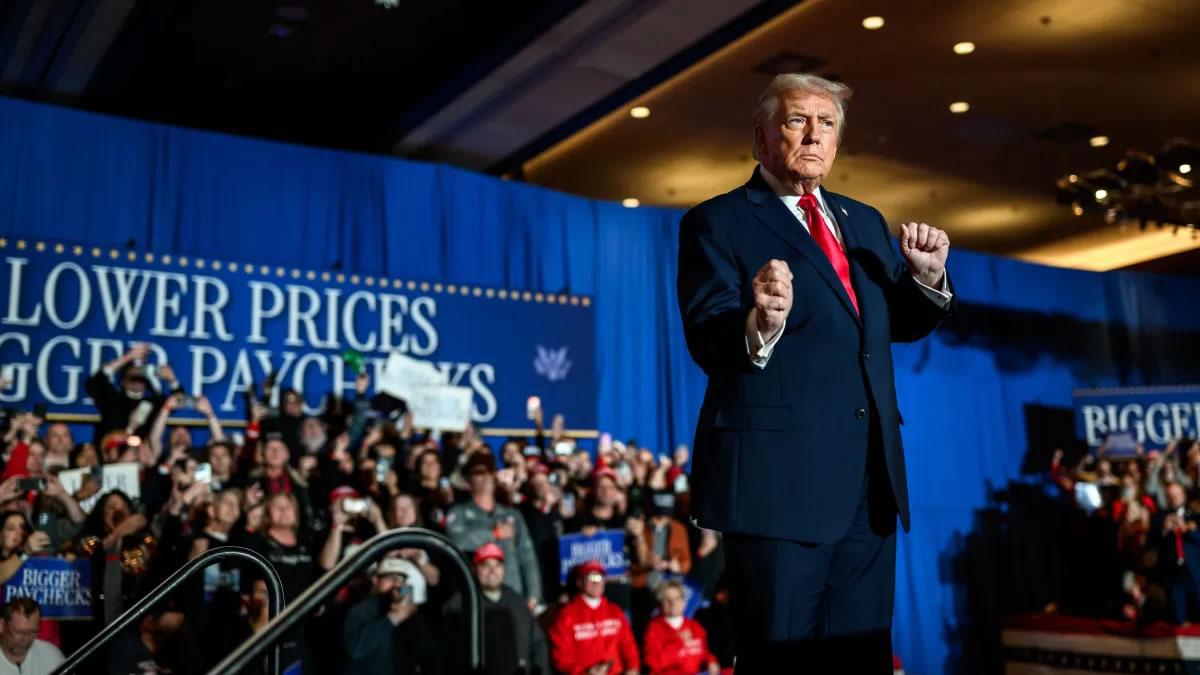
President Donald Trump is reportedly poised to issue a landmark executive order as early as Monday that would reclassify marijuana as a less dangerous drug under federal law. Multiple sources have indicated that the order aims to move cannabis to Schedule 3 of the Controlled Substances Act. This shift would be a massive boon for the industry, primarily by unlocking significant tax breaks for cannabis businesses that are currently hindered by Section 280E of the Internal Revenue Code.
In addition to rescheduling, sources suggest the president may also deliver a major win for the CBD sector by allowing Medicare insurance coverage for certain CBD treatments. While the specifics of which treatments would be covered and how this aligns with current FDA regulations remain unclear, the move signals a potential broadening of federal acceptance for hemp-derived therapies.
However, the executive order is not yet finalized, and the timeline for implementation remains uncertain. It is unclear if this process will mirror the lengthy review seen during the Biden administration. Furthermore, the president's plan faces significant internal opposition. Reports indicate resistance from within the White House and key agencies, including the Drug Enforcement Administration (DEA). DEA Administrator Terrance Cole is said to be skeptical and may push for a comprehensive scientific review. Additionally, Mehmet Oz, administrator of the Center for Medicare and Medicaid Services, reportedly prefers cannabis remain a Schedule 2 drug, which would maintain the current heavy tax burden on businesses.
Despite this, Trump appears determined to fulfill promises made to cannabis interests. A recent Oval Office meeting reportedly included Health Secretary Robert F. Kennedy Jr., Mehmet Oz, and prominent cannabis advocates like Kim Rivers, CEO of Trulieve Cannabis Corp., and financier Howard Kessler. When House Speaker Mike Johnson protested the move, Trump reportedly allowed the industry representatives to rebut his arguments directly.
This push for rescheduling aligns with Trump's previous endorsements, including his support for Florida's adult-use legalization initiative last fall. Observers suggest the move may also serve to distract from other political complications and shore up support ahead of midterm elections. Anti-reform groups like Smart Approaches to Marijuana are expected to challenge any rescheduling order in court.
