


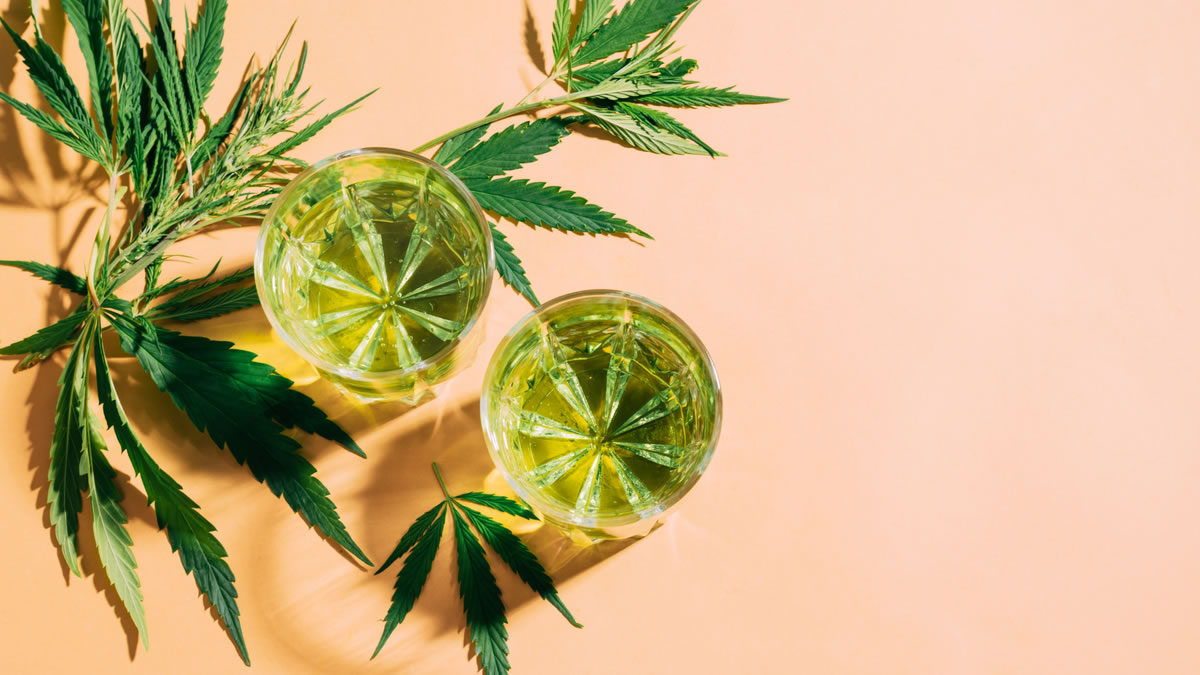
Dry January is evolving from total abstinence to a "California Sober" approach, where many participants swap alcohol for low-dose cannabis beverages and edibles. This shift is driven by health concerns over alcohol, a desire to avoid hangovers, and the increasing social acceptance of cannabis as a milder, functional alternative for relaxation.
Key Takeaways:
- Health Shift: Alcohol consumption is hitting historic lows as consumers prioritize wellness.
- Cannabis Rise: Daily cannabis use has surged 15-fold over 30 years, often replacing booze.
- Functional Buzz: Low-dose THC drinks offer a social ritual without the hangover or high sugar.
- Market Growth: Cannabis beverage sales are spiking, with carbonated options up 18.1%.
"California Sober" refers to a lifestyle choice where individuals abstain from alcohol and hard drugs but continue to use cannabis. As Dry January 2026 kicks off, this concept is moving from the fringe to the mainstream. Millions of people are choosing to drink less, but rather than going completely without intoxication, a growing number are swapping their Cabernet for cannabis tonics and edibles.
The Shift: From Abstinence to Intentional Consumption
For decades, Dry January was synonymous with white-knuckling through a month of total sobriety. However, the narrative is changing. It's less about quitting everything and more about re-evaluating one's relationship with intoxicants.
"In general, I don’t think people actually want to quit alcohol altogether, but rather they are looking to shift their relationship with it," explains Lauren Miller, co-founder of Wims!, a low-dose portable cannabis tonic. "Instead of alcohol being the default choice in every social setting, consumers are taking a more intentional approach."
This intentionality is backed by data. Last year, only 54% of US adults reported drinking alcohol, the lowest figure in nearly 90 years of Gallup polling. The decline is even sharper among younger generations, with only about 50% of Gen Z adults consuming alcohol. The primary driver? Health concerns. More than half of US adults now believe that even moderate drinking is bad for their health.
Why Cannabis is Winning the Wellness Argument
As alcohol's popularity wanes, cannabis is stepping in as the "healthier" alternative. Advocates and consumers alike are drawn to hemp and THC products for several key reasons:
- No Hangovers: Unlike alcohol, moderate cannabis use typically doesn't result in the next-day physical punishment of a hangover.
- Lower Calories and Sugar: Many cannabis seltzers and edibles are formulated to be low-sugar and low-calorie, appealing to weight-conscious consumers.
- Functional Relaxation: Users report a "mild intoxication" that helps them unwind without the "toxic metabolic burden" associated with processing alcohol.
Ryan Evans, CEO of Shift Naturals, notes, "Culturally, people aren’t being judged for using cannabis in the way they once were. And people want options for relaxing that are lower in sugar, and don’t produce a hangover."
The Data Behind the Trend
A study published by the Society for the Study of Addiction highlights a massive cultural pivot. Between 1992 and 2022, the per capita rate of daily or near-daily cannabis use increased 15-fold. In 2022, 18 million people aged 12 and up reported frequent cannabis use, surpassing the 15 million who reported the same level of alcohol consumption.
Is It "Cheating" at Sobriety?
Replacing a gin and tonic with a THC seltzer raises a philosophical question: Is this really "Dry" January? For many, the answer lies in the *intent*.
Mehrnush Saadat, founder of the non-alcoholic bottle shop Soberish, argues that Dry January is about self-reflection, not deprivation. "The core purpose has always been the same: a deliberate pause from alcohol to reassess habits and wellbeing," she says. While non-alcoholic drinks replace the ritual of the glass, THC replaces the effect of the unwind. "These categories are adjacent, but not interchangeable."
James Stephens, CEO of Sinful, a cannabis-infused drinks company, agrees. "I think Dry January can be dry with THC, because the impact and health concerns around cannabis are radically different from alcohol," he states. His company has seen an average sales uptick of 18% in January since launching in 2020.
The Rise of the "Cannabis Cocktail"
The market is responding with sophisticated products designed to mimic the social ritual of drinking. Cannabis drinks grew 8.2% in sales year-on-year, with carbonated options jumping 18.1%, according to BDSA Cannabis Insights.
| Product Type | Target Audience | Key Benefit |
|---|---|---|
| Low-Dose Seltzers (2-5mg) | "Soccer mums & football dads" | Social relaxation without getting "wasted." |
| Cannabis Aperitifs | Cocktail enthusiasts | Replaces the ritual of mixing a drink. |
| Portable Tonics | On-the-go users | Discreet, pocket-sized mood enhancement. |
Xander Shepherd of Artet, which makes cannabis aperitifs, says their products aren't just about replacing alcohol but enhancing life quality. "It has been incredibly gratifying to hear from Artet drinkers that our beverages have improved the quality of their lives, and reduced anxiety around socialising," he notes.
Future Outlook: A Permanent Shift?
Is this just a fad? Most industry experts think not. "Alcohol is no longer the automatic choice," Saadat declares. The movement is being driven by a fundamental shift in how people view intoxication and wellness.
Even the alcohol industry is taking note. Paul Weaver, head of cannabis at the Boston Beer Company, reveals they have established a Canadian subsidiary to develop cannabis beverages, ready to deploy in the US once federal legalization occurs. "It has truly been a lifeline for many in the craft beer industry," Weaver says, noting the overlap between craft beer enthusiasts and THC seltzer drinkers.
As 2026 unfolds, the "Dry but High" trend suggests that for many, the future of socializing involves a lot less booze and a little more green.
