


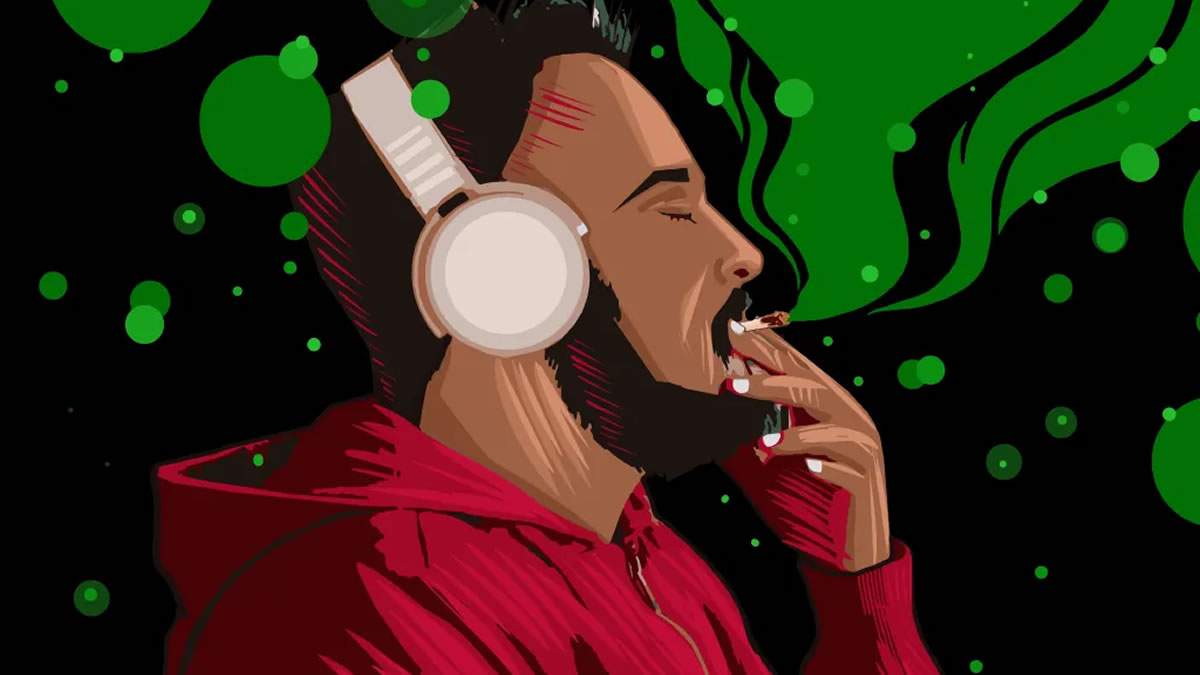
While scientific consensus is mixed, anecdotal evidence strongly suggests that cannabis can unlock creativity for many individuals by lowering inhibitions and promoting divergent thinking. To use it effectively, focus on sativa-dominant strains, moderate your dosage to avoid grogginess, and curate a stimulating environment. The key is finding the "sweet spot" where relaxation meets inspiration.
Key Takeaways:
- Science vs. Experience: Research is inconclusive, but icons like Lady Gaga and Steve Jobs credit weed for inspiration.
- Strain Selection: Sativa strains like Blue Dream and Sour Diesel are top choices for creative energy.
- Microdosing Matters: Lower doses often boost creativity, while high doses can impair focus.
- Terpene Power: Look for terpenes like Limonene and Pinene to enhance alertness and imagination.
Using cannabis for creativity refers to the practice of consuming specific strains or products to lower mental barriers, enhance divergent thinking, and spark artistic inspiration. For decades, artists, musicians, and writers have turned to the plant as a tool to unlock their imagination. But is it a magic bullet for your magnum opus, or just a way to make the process more enjoyable? Let's explore how to harness the potential of cannabis to get high and get inspired.
Can Cannabis Actually Make You More Creative?
The relationship between weed and creativity is a tale of two perspectives: the scientific and the anecdotal. If you ask a scientist, the answer is a definitive "maybe."
- The Scientific View: Research is somewhat split. One study concluded that while small amounts of cannabis might not significantly impact creativity, high doses can actually impair divergent thinking—the ability to generate multiple solutions to a problem. A different study found that cannabis use might increase verbal fluency, a form of creativity, but primarily in those who don't consider themselves naturally creative.
- The Artist's View: History tells a different story. Cultural icons have openly discussed how cannabis fuels their artistic process. Lady Gaga once said, "I smoke a lot of pot when I write music," highlighting its role in her work. Even tech visionary Steve Jobs and author Stephen King have credited cannabis with aiding their relaxation and creative flow. There's even a remote possibility that Shakespeare was a fan, as traces of cannabis were found in pipes on his property.
The verdict? While science hasn't pinpointed a "creativity molecule," countless creators swear by its ability to open the mind. If you feel it helps you break through writer's block or visualize a new painting, that subjective experience is valid and valuable.
Can Cannabis Actually Make You More Creative?
The relationship between weed and creativity is a tale of two perspectives: the scientific and the anecdotal. If you ask a scientist, the answer is a definitive "maybe."
- The Scientific View: Research is somewhat split. One study found that while small amounts of cannabis might not significantly impact creativity, high doses can actually impair divergent thinking—the ability to generate multiple solutions to a problem. Another study suggested cannabis might boost verbal fluency, a form of creativity, but primarily in those who don't consider themselves naturally creative.
- The Artist's View: History tells a different story. Cultural icons from Bob Marley and Willie Nelson to Lady Gaga and Seth Rogen have openly discussed how cannabis fuels their artistic process. Even tech visionary Steve Jobs admitted that marijuana made him feel "relaxed and creative." There's even speculation that Shakespeare might have partaken, based on residues found in pipes on his property.
The verdict? While science hasn't pinpointed a "creativity molecule," countless creators swear by its ability to open the mind. If you feel it helps you break through writer's block or visualize a new painting, that subjective experience is valid and valuable.
How to Harness Creativity with Cannabis: A Practical Guide
If you want to experiment with weed as a creative tool, strategy is everything. It's not just about getting stoned; it's about finding a flow state. Here are expert tips to maximize your creative potential.
1. Choose Strains That Spark Imagination
Not all weed is created equal when it comes to making art. Generally, you want to avoid heavy indicas that might lock you to the couch. Instead, look for uplifting sativas or sativa-dominant hybrids known for cerebral effects.
Top Strains for Creativity:
| Strain Name | Type | Best For |
|---|---|---|
| Blue Dream | Hybrid | Balanced relaxation and cerebral stimulation. |
| Sour Diesel | Sativa | Fast-acting, energizing, and dreamy head highs. |
| Jack Herer | Sativa | Clear-headed creativity and focus. |
| Purple Haze | Sativa | High-energy euphoria and artistic inspiration. |
2. Focus on Terpenes and Cannabinoids
Beyond the strain name, look at the chemical profile. Certain terpenes (aromatic compounds) and cannabinoids are more conducive to creative work.
- Terpenes to Look For:
- Limonene: Citrusy scent; known for mood elevation and stress relief.
- Pinene: Pine scent; aids in alertness and memory retention.
- Linalool: Floral/Lavender scent; promotes relaxation without heavy sedation.
- Cannabinoids: While Delta-9 THC is the standard, consider Delta-8 THC for a milder, clearer high, or CBG (Cannabigerol), often called the "mother of all cannabinoids," which can provide focus without intoxication.
3. The Golden Rule: Don't Overdo It
This is where many aspiring artists go wrong. The "diminishing returns" theory is very real with cannabis and creativity. A little bit can lower inhibitions and help you connect disparate ideas. Too much can leave you staring blankly at a canvas or forgetting your train of thought entirely.
Microdosing is often the most effective approach. Start with a low dose—perhaps 2.5mg to 5mg of THC if you are consuming edibles, or just one or two puffs if smoking. You want to reach a "buzz" that loosens your mind, not a "stone" that shuts it down. Find that sweet spot where you feel uplifted but fully functional.
4. Curate Your Creative Setting
Your environment (set and setting) plays a massive role in how cannabis affects you. You need a space that is comfortable enough to relax in, but stimulating enough to keep you engaged.
- Lighting: Dim the harsh overheads. Use lamps, candles, or natural light to create a mood.
- Sound: Curate a playlist that drives your flow. Instrumental lo-fi, upbeat electronic, or classical music can be great background noise that doesn't distract with lyrics.
- Comfort: Sit somewhere supportive. A beanbag might be too relaxing, leading to a nap. A desk chair or a spot on the floor might keep you more alert.
5. Capture Your Ideas Immediately
One classic side effect of THC is short-term memory loss. That brilliant melody or plot twist can vanish as quickly as it appeared. Jot that shit down. Keep a notebook, voice recorder, or sketching pad within arm's reach at all times. Don't trust your brain to remember it later—capture the lightning in the bottle while it strikes.
Combining Cannabis with Other Nootropics
For an extra boost, some creatives combine cannabis with other natural supplements known to support brain function. While not scientifically proven to work synergistically with weed, ingredients like Lion’s Mane mushroom, L-Theanine (found in green tea), and Vitamin B12 are popular in the wellness community for cognitive support. Exploring products that blend these adaptogens with cannabinoids could offer a unique creative edge.
Conclusion: Finding Your Own Muse
Creativity is an inherently subjective and magical process. We can't dissect Shakespeare's brain to see if cannabis was the catalyst for Hamlet, nor can we measure the exact bio-chemical reaction that leads to a hit song. If you find that a specific strain of cannabis helps you lower your guard, see the world from a new angle, or simply enjoy the process of making art more, then it is a valid tool in your creative kit. Start low, choose the right strain, set the mood, and see where your imagination takes you.
