


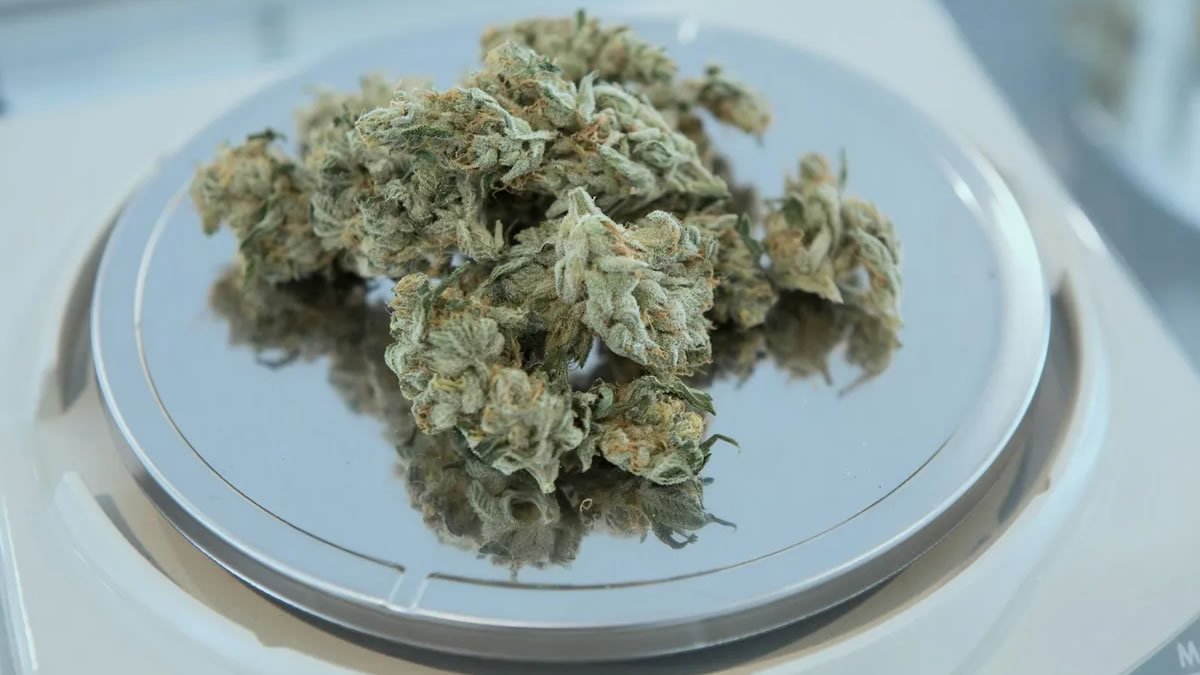
The Alabama Medical Cannabis Commission (AMCC) has proposed new regulations just as the state's medical cannabis program prepares to launch. Key changes include revised ownership transfer rules, extended deadlines for reporting lost cards, standardized fees, and simplified continuing education requirements. Public comments are open until April 3, 2026.
Just as Alabama’s long-awaited medical cannabis program is poised for takeoff, the regulatory landscape is shifting again. The Alabama Medical Cannabis Commission (AMCC) has introduced a fresh set of proposed rule changes. While these adjustments are not expected to delay the program's launch, they will impact operations in significant ways, ranging from ownership structures to daily patient purchase limits.
It is important to note that these are currently just proposals. The AMCC published these draft regulations on February 18 and will be accepting public comments until April 3, 2026. After this period, the commission will vote to either finalize the rules as written or revise them based on feedback. Here is a detailed breakdown of what is on the table.
Three Tiers of Ownership Changes
One of the most substantial updates involves how cannabis businesses can transfer ownership. The original rules were somewhat rigid, broadly prohibiting transfers without prior commission approval. The new proposal introduces a more nuanced, three-tiered system:
- De Minimis Changes: Transfers involving less than 5% of total ownership (aggregated over 36 months) would no longer require prior AMCC approval.
- Non-Controlling Changes: Transfers involving less than 50% of ownership that do not result in a change of control still require prior approval. However, this approval is generally granted if the licensee demonstrates compliance with all other laws.
- Controlling Changes: Any transfer that shifts controlling interest faces the strictest scrutiny. These changes require a public hearing to determine the suitability of the new controlling entity.
Crucially, the proposal treats requests for non-controlling or controlling changes as new license applications, complete with a $2,500 fee. It also includes specific protections for "minority group" license holders, ensuring that ownership transfers do not reduce the number of minority-held licenses below statutory minimums.
New Definitions for Constructive Ownership
The AMCC is also tightening how "ownership" is defined to prevent loopholes. The new rules would attribute ownership interest through indirect means, such as:
- Interests held through intermediate organizations.
- Voting stock held in trust, where the trustee has voting or selling power.
- Familial relationships: An individual is considered an owner if the license is held by their spouse, children, grandchildren, or parents.
Furthermore, financial instruments like mortgages or trusts used to secure debt now require commission consent if enforcing them could result in a license transfer.
Patient Access and Purchase Limits
For patients, the proposed regulations bring both flexibility and new constraints.
Lost Cards: The deadline for reporting a lost, stolen, or fraudulently used medical cannabis card has been extended from a tight 72-hour window to a more reasonable 10 days.
Purchase Limits: The rules for buying cannabis are getting more specific. The proposal establishes a "60-day purchase period." During this window, a patient's allowable purchase is calculated by subtracting the days already purchased from the days remaining in the period. To prevent gaps in medication, patients would be allowed to purchase products for the upcoming period during the final 10 days of their current cycle. A strict possession limit of 70 daily doses is also being introduced.
Streamlined Operations for Businesses
Several operational burdens for licensees are being lightened or clarified:
- Material Changes: Licensees must seek prior approval for "material changes," such as management shifts or facility relocations. If an emergency (like death) makes prior approval impossible, written notice must be sent within 30 days.
- Fee Schedule: A standardized fee schedule has been proposed to remove ambiguity regarding costs for amendments, corrections, and renewals.
- Continuing Education: Training requirements are being simplified. The annual continuing education requirement for "registered agents" is proposed to drop from 20 hours to just 6 hours. Additionally, the initial training deadline is extended to within 60 days of registration.
Security and Labeling Updates
The proposal includes specific exemptions for state testing laboratories. When transporting samples, these labs would be exempt from some of the rigorous security requirements imposed on standard secure transporters, such as active GPS monitoring of variable routes.
Finally, product packaging will see a change. The rules establish a new, commission-approved universal state symbol. This symbol must be printed in color, at least 1/2 inch by 1/2 inch, and placed prominently on the product label.
