


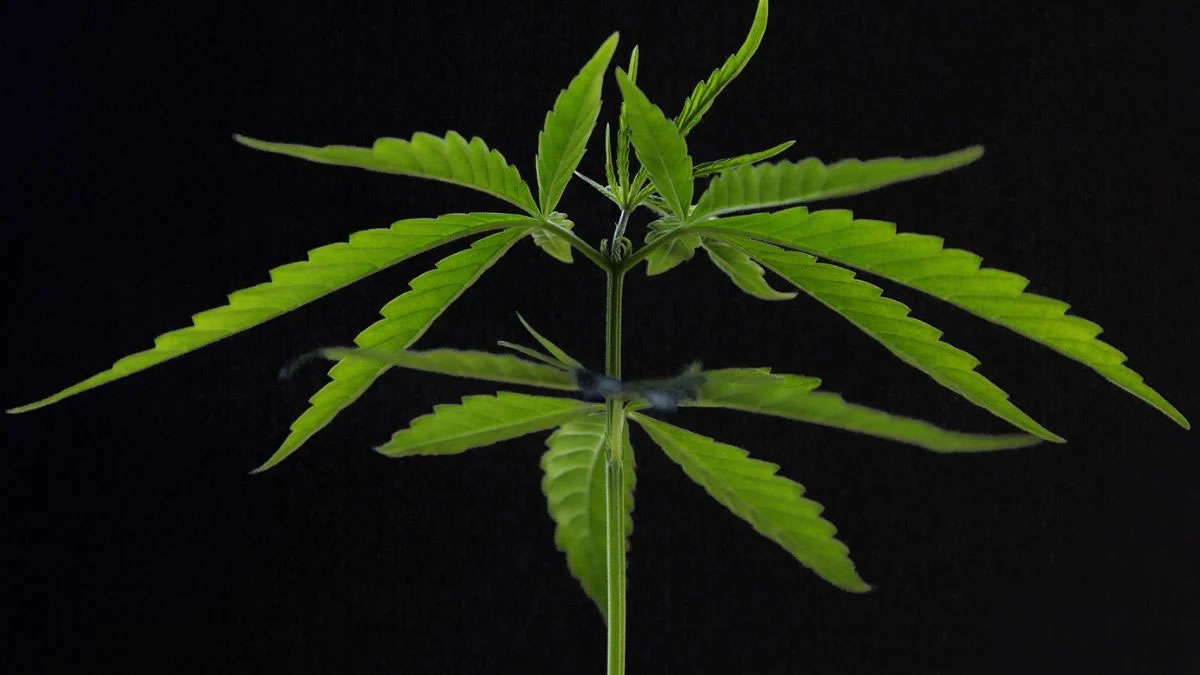
Researchers at the University of California, Riverside (UCR) have demonstrated that whole-plant cannabis extracts can induce weight loss and improve metabolic health in obese mice. This breakthrough helps explain the long-standing paradox of why cannabis users often exhibit lower body weight and reduced diabetes risk despite the drug's appetite-stimulating effects.
To investigate this phenomenon, the UCR team conducted lab experiments on obese adult mice. The mice were fed a western-style diet, high in fat and sugar, for 60 days. Thirty days into this diet, researchers introduced either pure THC or a whole-plant cannabis extract with an equivalent THC concentration.
The results highlighted a stark difference between isolated compounds and the full botanical profile.
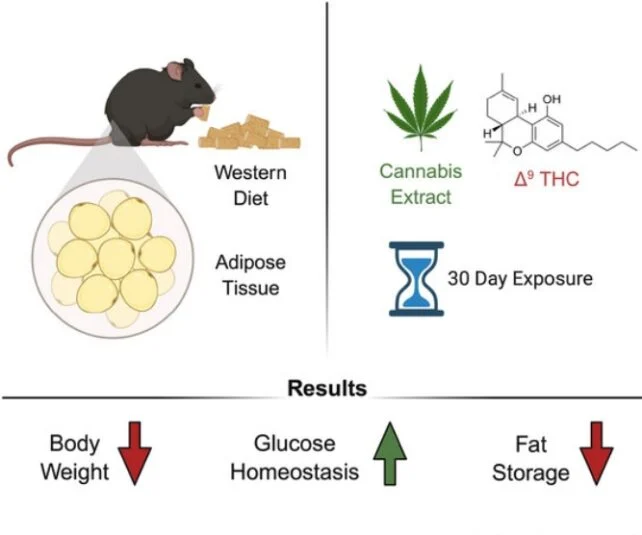
| Treatment Group (High-Fat Diet) | Weight Loss Observed | Improved Glucose Tolerance |
|---|---|---|
| Control (No Cannabis) | No (Continued gaining weight) | No |
| Pure THC | Yes | No |
| Whole-Plant Extract | Yes | Yes |
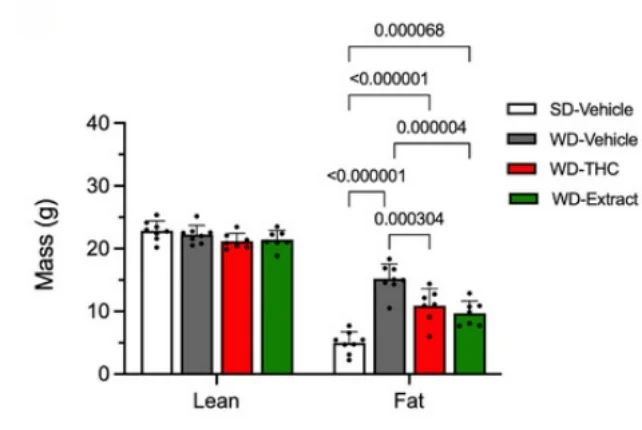
"This suggests that THC alone is not responsible for the metabolic benefits associated with cannabis use," stated biomedical scientist Nicholas DiPatrizio, director of the UCR Center for Cannabinoid Research. "Other compounds in the plant appear to play a critical role."
While THC interacts with the central nervous system to trigger hunger, other phytochemicals in the plant likely target glucose metabolism directly. The cannabis plant contains hundreds of cannabinoids, terpenes, and flavonoids that may interact synergistically—a concept often missed when compounds are studied in isolation.
Recent studies are beginning to highlight these minor compounds. For example, CBG (cannabigerol), often referred to as the "mother of all cannabinoids," has been shown to improve blood sugar control and reduce liver fat in obese mice. Notably, CBG appears to achieve these results outside of classical cannabinoid receptor pathways.
Despite these promising findings, published recently in The Journal of Physiology, researchers urge caution. DiPatrizio emphasized that there is currently insufficient clinical evidence to recommend cannabis for human weight management or diabetes treatment.
Furthermore, cannabis exposure is not without risks. Early-life exposure to THC, for instance, has been linked to disrupted fat storage and reduced birth weights in rodent pups. Moving forward, UCR researchers argue that dissecting the specific metabolic contributions of individual phytocannabinoids will be crucial for developing safe, evidence-based therapies.
- The study was published in The Journal of Physiology.
