

Close Menu

    Subscribe to Updates

    Get the latest creative news from FooBar about art, design and business.

    What's Hot

    Kratom Poisonings Surge 1,200%: The Hidden Opioid Crisis in Plain Sight

    April 3, 2026

    Medicinal Cannabis for Mental Health: Analyzing the Evidence and the Risks

    April 1, 2026

    Medicinal Cannabis: Does the Evidence Match the Prescriptions?

    April 1, 2026
    Facebook X (Twitter) Instagram
    Hify CBDHify CBD
    Facebook X (Twitter) Instagram
    SUBSCRIBE
    • Home
    • Cannabis News

      Kratom Poisonings Surge 1,200%: The Hidden Opioid Crisis in Plain Sight

      April 3, 2026

      The "Wild West" of UK Medical Cannabis: High-Potency Prescriptions and Illicit Sourcing

      March 30, 2026

      Colorado Lawmakers Propose Alcohol and Marijuana Tax Hikes to Fund Mental Health

      March 18, 2026

      Texas Bans Smokable THC: THCA Loophole Closed March 31

      March 13, 2026

      Alabama Medical Cannabis Regulations Update: Proposed Changes

      March 6, 2026
    • Cannabis Guides
    • Study and Science
    • 101
    • Nicotine Products
    Hify CBDHify CBD
    Home»Cannabis News»Kratom Poisonings Surge 1,200%: The Hidden Opioid Crisis in Plain Sight
    Cannabis News

    Kratom Poisonings Surge 1,200%: The Hidden Opioid Crisis in Plain Sight

    As kratom poisonings skyrocket by 1,200% over the past decade, medical experts warn that the "natural" supplement sold in gas stations is actually a potent, unregulated opioid driving a new wave of addiction.
    Sian FergusonBy Sian FergusonApril 3, 20264 Mins Read
    Facebook Twitter Pinterest LinkedIn Tumblr Reddit WhatsApp Email
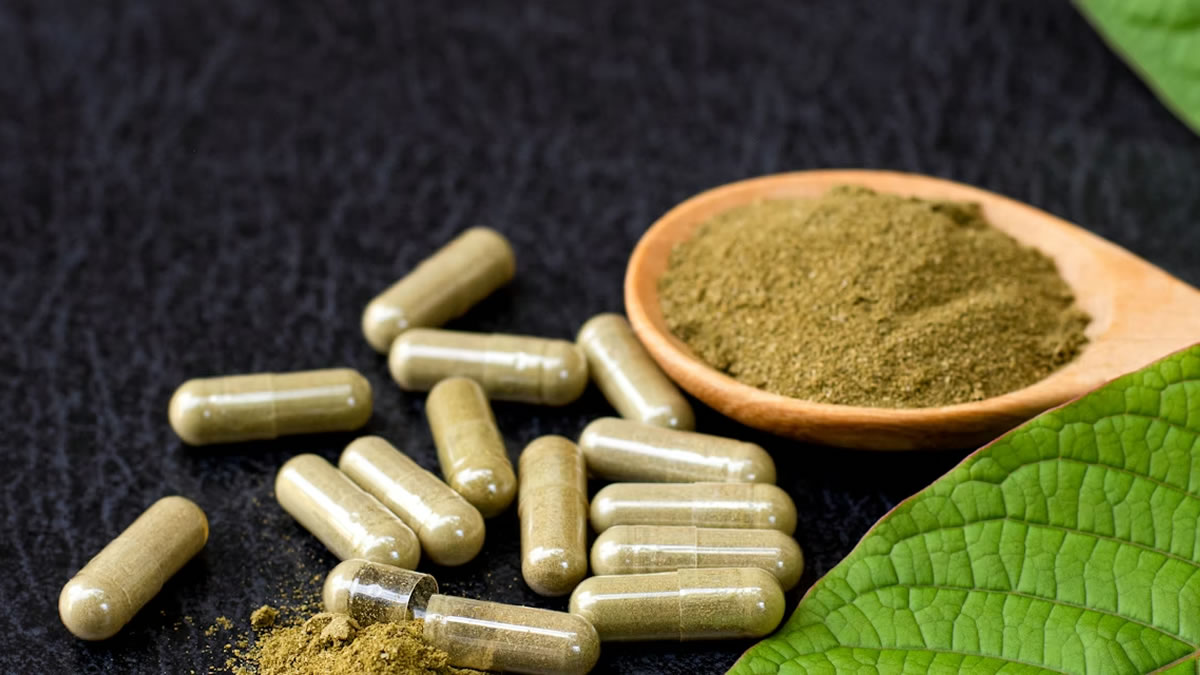
    Kratom Poisoning, CDC Kratom Data
    Share
    Facebook Twitter LinkedIn Pinterest WhatsApp Email

    A new report from the Centers for Disease Control and Prevention (CDC) reveals a 1,200% increase in hospitalizations and poisonings linked to kratom over the past decade. Despite industry claims that kratom is a safe, plant-based alternative for pain and opioid withdrawal, the FDA and addiction specialists emphasize that its active compounds bind to brain receptors identically to heroin and oxycodone, carrying severe risks of liver disease, seizures, and fatal overdose.

    The Staggering Rise in Kratom Hospitalizations

    Proposals to regulate or outright ban kratom are advancing in state legislatures across the United States, making headlines in local newspapers. However, as lawmakers debate whether to regulate or ban kratom, the public health fallout continues to escalate at an alarming rate.

    In late March 2026, the Centers for Disease Control and Prevention reported that hospitalizations and poisonings involving kratom have increased by more than 1,200% over the past decade. At legislative hearings, families frequently share tragic stories of lives cut short by kratom overdoses. Conversely, industry lobbyists and users insist that it is a safe, natural substance that boosts mood and helps overcome opioid addiction.

    Yet, for physicians who study the opioid crisis, the scientific evidence is clear: kratom carries real risks that are dangerously downplayed. Its rising use over the past decade coincided directly with the opioid epidemic. Because it is marketed as "natural," approximately 1.7 million Americans report using kratom each year, falsely assuming it is harmless.

    Pharmacology: Why Kratom is an Opioid

    The U.S. Food and Drug Administration (FDA) has warned consumers for more than a decade about kratom's severe side effects. According to the agency, clinical research makes it clear that “compounds in kratom make it so it isn’t just a plant – it’s an opioid.”

    Kratom’s psychoactive effects stem from compounds in its leaves, including mitragynine and 7-hydroxymitragynine, often called 7OH. When consumed, the body converts some mitragynine into 7OH, a significantly stronger opioid. Both compounds bind directly to the brain's opioid receptors, triggering chemical changes that lead to dependence and withdrawal symptoms identical to those caused by oxycodone or heroin. Furthermore, deaths linked to kratom were rising long before newer, artificially boosted 7OH products hit the market.

    Debunking the "Opioid Treatment" Myth

    A primary argument utilized by the kratom industry is that the plant can treat opioid addiction. Medical experts strongly refute this. While taking kratom may temporarily relieve opioid withdrawal symptoms, this does not make it a "treatment"—it simply proves the substance is an opioid. A person dependent on heroin can relieve withdrawal by taking oxycodone; the mechanism is the same.

    Effective, evidence-based treatments already exist. FDA-approved medications such as buprenorphine and methadone have been clinically proven to reduce cravings, prevent withdrawal, and lower overdose risks. When it comes to kratom, the FDA has been clear: it is not approved for any medical use and should never be used to treat opioid use disorder.

    Systemic Health Risks and Contamination

    Beyond the inherent risks of opioid addiction, unregulated kratom products expose consumers to severe health threats. FDA laboratory testing has frequently found kratom to contain high levels of lead, which can cause irreversible neurological and organ damage. For women of childbearing age, kratom may pose a risk to the fetus, potentially leading to infants experiencing neonatal opioid withdrawal at birth.

    The Legislative Reality: Bans vs. Fentanyl Deaths

    Kratom advocates frequently argue that banning the substance will drive users toward deadlier street drugs like fentanyl. However, epidemiological data does not support this narrative. For example, Vermont was one of the first states to implement a total ban on kratom. Rather than experiencing a spike in illicit drug fatalities, Vermont has seen one of the largest declines in opioid overdose deaths in the country.

    Expert Verdict: A Public Health Blind Spot

    The 1,200% surge in kratom poisonings highlights a critical failure in the regulation of psychoactive botanicals in the United States. While personal anecdotes of pain relief are common, they are a hallmark of the opioid withdrawal-relief cycle, not scientific proof of safety. The clinical evidence is unequivocal: kratom is a potent, addictive opioid with severe systemic risks. For lawmakers and public health officials, the priority must shift from debating its "natural" origins to addressing the very real addiction crisis it is currently fueling in communities nationwide.

    Kratom
    Sian Ferguson
    Sian Ferguson
    • Website
    • LinkedIn

    Sian Ferguson is a freelance health and cannabis writer based in Cape Town, South Africa. She’s passionate about empowering readers to take care of their mental and physical health through science-based, empathetically delivered information.

    Related Posts

    The "Wild West" of UK Medical Cannabis: High-Potency Prescriptions and Illicit Sourcing

    March 30, 2026

    Colorado Lawmakers Propose Alcohol and Marijuana Tax Hikes to Fund Mental Health

    March 18, 2026

    Texas Bans Smokable THC: THCA Loophole Closed March 31

    March 13, 2026

    Comments are closed.

    Recent Posts

    • Kratom Poisonings Surge 1,200%: The Hidden Opioid Crisis in Plain Sight
    • Medicinal Cannabis for Mental Health: Analyzing the Evidence and the Risks
    • Medicinal Cannabis: Does the Evidence Match the Prescriptions?
    • Medicinal Cannabis for Chronic Pain: Efficacy and Risks Explained
    • Lancet Study: Medicinal Cannabis Ineffective for Anxiety, Depression, and PTSD

    Recent Comments

    No comments to show.
    Don't Miss
    Cannabis News

    Kratom Poisonings Surge 1,200%: The Hidden Opioid Crisis in Plain Sight

    By Sian FergusonApril 3, 2026

    A new report from the Centers for Disease Control and Prevention (CDC) reveals a 1,200%…

    Medicinal Cannabis for Mental Health: Analyzing the Evidence and the Risks

    April 1, 2026

    Medicinal Cannabis: Does the Evidence Match the Prescriptions?

    April 1, 2026

    Medicinal Cannabis for Chronic Pain: Efficacy and Risks Explained

    April 1, 2026
    Stay In Touch
    • Facebook
    • Twitter
    • Pinterest
    • Instagram
    • YouTube
    • Vimeo
    Our Picks

    Kratom Poisonings Surge 1,200%: The Hidden Opioid Crisis in Plain Sight

    April 3, 2026

    Medicinal Cannabis for Mental Health: Analyzing the Evidence and the Risks

    April 1, 2026

    Medicinal Cannabis: Does the Evidence Match the Prescriptions?

    April 1, 2026

    Medicinal Cannabis for Chronic Pain: Efficacy and Risks Explained

    April 1, 2026

    Subscribe to Updates

    Get the latest creative news from SmartMag about art & design.

    CBD
    About Us
    About Us

    Your source for the lifestyle news. This demo is crafted specifically to exhibit the use of the theme as a lifestyle site. Visit our main page for more demos.

    We're accepting new partnerships right now.

    Email Us: [email protected]
    Contact: +1-320-0123-451

    Our Picks

    CBD: A Potential Ally in the Fight Against COVID-19

    March 10, 2025
    8.9

    CBD Oil for Pain Management: Exploring the Potential Benefits

    September 3, 2024

    Mixing CBD and Alcohol: Risks, Benefits, and What You Need to Know

    January 8, 2020
    Facebook X (Twitter) Instagram Pinterest
    • Home
    • Cannabis News
    © 2026 Your CBD and THC Knowledge Source HifyCBD.

    Type above and press Enter to search. Press Esc to cancel.