


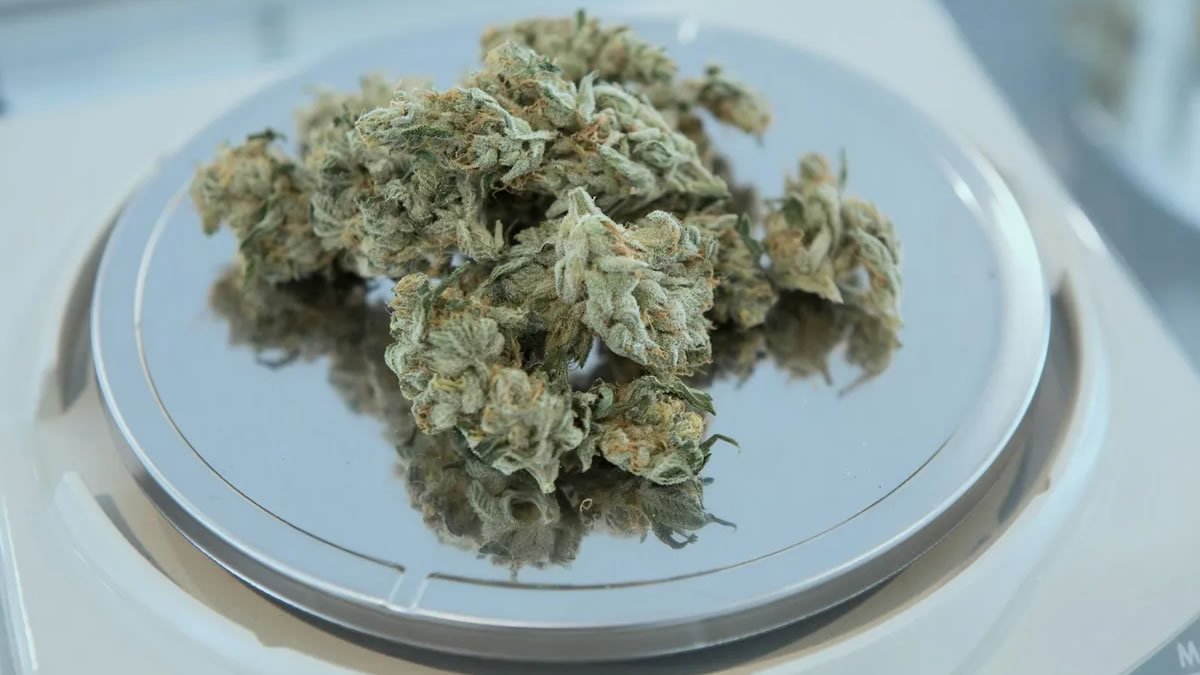
A concerning new study from McGill University challenges the safety of legal cannabis, revealing that the industry-standard sterilization method—gamma irradiation—does not fully eliminate toxic fungi. While this process reduces microbial loads, researchers found that viable spores and chemical residues remain on the flower. This poses a significant health risk, particularly for immunocompromised patients who consume medicinal cannabis believing it to be sterile.
Key Takeaways
- Sterilization Failure: Gamma irradiation damages microbe DNA but leaves behind viable spores and mycotoxins.
- Testing Gaps: The current industry standard test (ELISA) lacks the sensitivity to detect these residual toxins alone.
- High-Risk Consumption: Since 70% of cannabis is smoked or vaped, users inhale these remaining toxins directly into their lungs.
- Vulnerable Patients: Cancer and HIV/AIDS patients face the highest risk of fungal lung infections from "sterilized" products.
The "Zombie" Fungi Problem
Cross-referencing clinical data from the Department of Food Science and Agricultural Chemistry at McGill University indicates a critical failure in current safety protocols. Gamma irradiation works by bombarding cannabis with radiation to damage the DNA of microbes. However, the study found that this process often leaves behind "remnants"—viable spores of mycotoxigenic fungi and degraded mycotoxins.
Saji George, a co-author of the study and Professor at McGill, highlights the severity: "A single spore can cause disease." While a healthy immune system might handle this exposure, the implications are dire for medical patients. When users smoke or vape these products, they bypass the stomach's defenses and deliver these toxins directly to the lung tissue, potentially exacerbating existing injuries.
The Testing Blind Spot: ELISA vs. Reality
The study exposes a major flaw in how the industry validates safety. Most producers rely on antibody-based ELISA assays to detect toxins. The McGill team found that ELISA, when used in isolation, is not sensitive enough to catch the trace amounts of mycotoxins left after irradiation.
To see the full picture, researchers had to use a "combined approach," integrating culture-based methods (growing the fungi) and molecular tests (PCR) alongside ELISA. Without this multi-layered testing, contaminated products can pass regulatory checks and reach store shelves.
Comparison Matrix: Testing Methods
The following table outlines why the current standard fails compared to the method proposed by the McGill researchers.
| Method | Capability | Limitation |
|---|---|---|
| Gamma Irradiation (Standard) | Reduces microbial load. | Leaves viable spores & toxin residue. |
| ELISA Testing (Standard) | Detects specific mycotoxins. | Insensitive to trace amounts; misses DNA fragments. |
| Combined Approach (Proposed) | Culture + PCR + ELISA. | Detects living fungi, DNA, and toxins. |
Prevention Over Decontamination
The sticky resin on cannabis buds acts as a magnet for environmental contaminants, making them incredibly difficult to clean once infected. Mamta Rani, a Research Associate at the SAFE-Nano lab, emphasizes that the industry cannot rely on "cleaning" dirty weed at the end of the process. Instead, the focus must shift to prevention during growth and harvest.
The researchers are currently collaborating with industry partners to develop biological solutions, such as using beneficial bacteria to prevent harmful fungi from establishing on the crop in the first place. As Rani notes, "It is possible to produce clean cannabis," but it requires strict hygiene in controlled environments, not just a blast of radiation at the finish line.
Is my medical cannabis actually safe?
Not necessarily. If you are immunocompromised, rely on products from producers who use strict environmental controls rather than just post-harvest irradiation. Consult your doctor about the risks of smoking flower versus using other delivery methods.
