


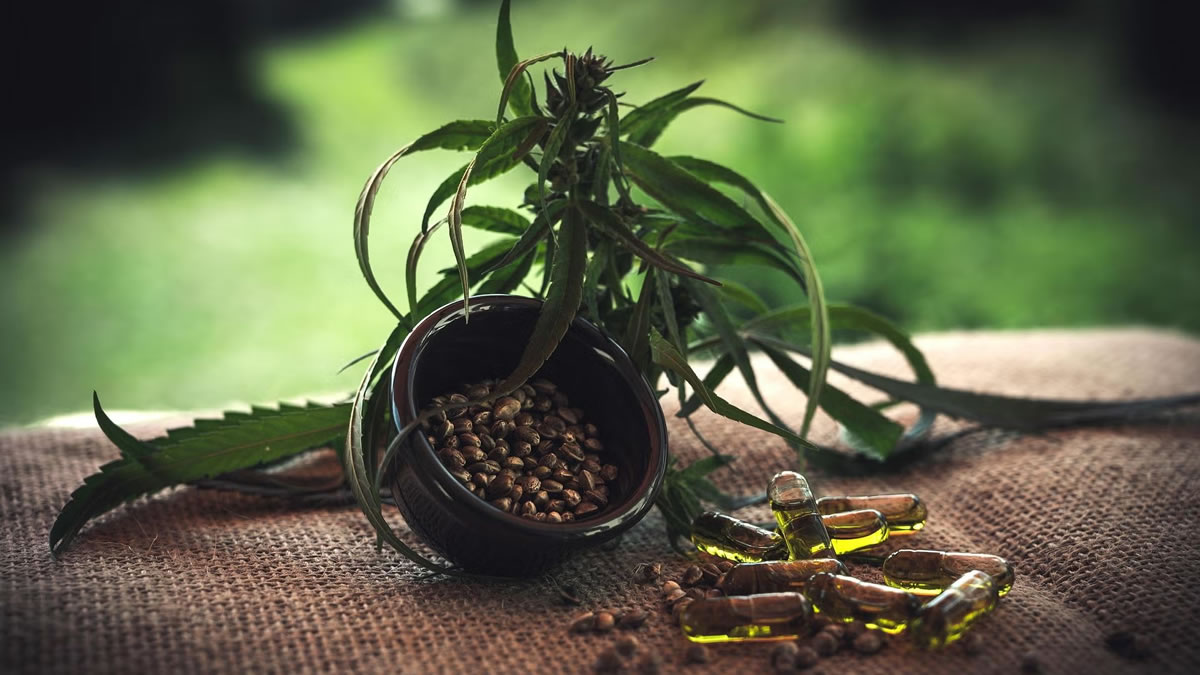
A groundbreaking study at the University of Colorado Boulder is exploring whether cannabidiol (CBD), a non-intoxicating component of the cannabis plant, could be the key to helping people with unhealthy cannabis dependency cut back or quit entirely. Led by Cinnamon Bidwell, an associate professor in the Department of Psychology and Neuroscience, the research aims to address a significant gap in addiction treatment: the lack of frontline, empirically supported remedies for cannabis use disorder (CUD).
"It’s one of the biggest myths out there—that you can’t become addicted to or dependent on cannabis," Bidwell stated. Contrary to popular belief, as many as one in five cannabis users develop a dependency. This issue is becoming increasingly prevalent as cannabis products, particularly concentrates, become more potent. Concentrates can contain up to 90% THC (tetrahydrocannabinol), compared to about 20% in traditional flower products. Bidwell’s previous research indicates that users of these high-potency products are more likely to develop dependency and suffer from withdrawal symptoms like anxiety, sleeplessness, and loss of appetite when trying to quit.
Currently, unlike treatments available for nicotine or alcohol abuse, there are few established medical interventions for those struggling with cannabis dependency. The CU Boulder study, funded by a $3 million grant from the National Institutes on Drug Abuse, seeks to determine if CBD can fill this void. The researchers are recruiting 150 heavy cannabis concentrate users who wish to reduce their intake. Over eight weeks, participants will receive daily doses of either hemp-derived CBD alone, CBD with a trace amount of THC (less than 0.03%), or a placebo, alongside remote psychotherapy and educational support.
The hypothesis is rooted in how CBD interacts with the brain. Although non-intoxicating, CBD acts on some of the same reward-related receptors (CB1 and CB2) as THC. Bidwell explains that CBD might alter how THC interacts at these sites, potentially reducing or changing the "high" and thereby decreasing the desire to use. Furthermore, CBD's anti-inflammatory properties and influence on serotonin levels could help mitigate common withdrawal symptoms like anxiety and sleep disturbances.
Previous animal studies and small human trials have shown promise, with CBD inhibiting drug-seeking behavior and reducing cravings. However, there has been no placebo-controlled clinical trial testing commercially available CBD for this purpose until now. "We want to study forms of cannabis that people can actually buy on the legal market today," Bidwell emphasized.
For participants like Abril, a 26-year-old from Denver who struggled to quit vaping cannabis on her own due to withdrawal symptoms, the study offers hope. "It didn’t feel like a hard drug... and I would hear it all the time: ‘You can’t get addicted to weed,’" she recalled. Since participating, she reports cutting back her use drastically, noting, "It was just easier this time." While results will take years to publish, the study represents a critical step toward understanding and treating cannabis dependency.
