


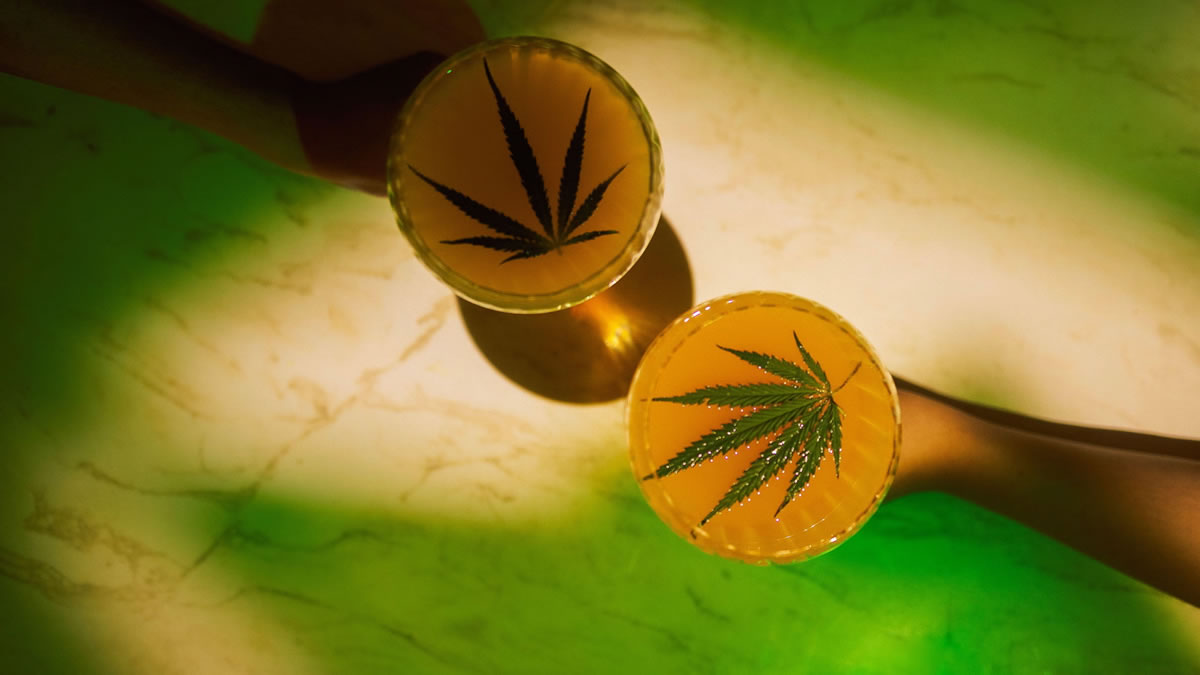
In a significant legislative shift, the U.S. Congress has voted to ban most hemp-derived products, a move tucked into the recent spending bill that averted a government shutdown. Set to be enforced starting November 2026, this ban threatens to upend the market for popular items like CBD tinctures, balms, and the rapidly growing category of THC-infused drinks. The new rules will drastically alter the pricing, availability, and composition of these products, leaving consumers and businesses scrambling to adapt.
Redefining Legal Hemp: The 0.4mg Limit
Currently, federal law defines legal hemp as any cannabis plant product containing less than 0.3% delta-9 THC. This definition allowed for a booming market of hemp-derived products that, while low in delta-9 THC by weight, could still contain significant amounts of other cannabinoids or enough THC to produce an effect. However, the new ban will redefine legal hemp products to contain only 0.4 mg of *any* kind of THC per package.
This is a trace amount, far below what is found in most current hemp-derived products, including many that are primarily CBD-focused. "Full-spectrum" CBD products, which rely on the "entourage effect" of CBD working in tandem with small amounts of THC and other terpenes, would effectively be outlawed under this new definition.
State Laws vs. Federal Ban: A Fragmented Market
The impact of the ban will likely vary depending on where you live. Jonathan Miller, general counsel for the US Hemp Roundtable, suggests that in states with their own regulated hemp laws—such as Minnesota, Kentucky, Louisiana, New York, and others—markets may continue to operate, but in a much more limited capacity. These state-level markets might function similarly to existing recreational and medical marijuana programs, which operate despite federal prohibition.
However, a major casualty will be interstate commerce. "The problem is there’ll be no more interstate commerce," Miller warned. This means shipping hemp products across state lines will likely become illegal, severely restricting online sales and forcing businesses to manufacture and sell products entirely within specific state borders.
Price Hikes Expected
Consumers should brace for significantly higher prices. If hemp products are forced into state-legal cannabis dispensaries or subject to stricter regulations, costs will rise. A key factor is Section 280-E of the tax code, which prevents businesses dealing in federally illicit substances from deducting standard business expenses. If applied to hemp producers, this tax burden will be passed on to consumers.
Additionally, the loss of a national market means losing economies of scale. Manufacturing for a single state is far more expensive than for the entire country. Josh Kesselman, CEO of Raw, predicts astronomical price increases for CBD products, drawing a parallel to Canada where CBD balms must be bought in licensed dispensaries. He estimates products that currently cost $10 could soar to around $80.
The Threat to THC Drinks and CBD Efficacy
The burgeoning market for THC-infused drinks faces an existential threat. Major alcohol distributors, crucial for getting these products into liquor stores, may drop them entirely without the profitability of interstate commerce. David Reich, CEO of Crescent Canna, expressed grave concern: "In 12 months, if nothing changes... we won’t exist." This comes just as the category was gaining legitimacy, with Nielsen recently tracking THC seltzer sales.
For CBD users, the ban on trace THC could reduce product effectiveness. Kesselman notes that "full-spectrum" balms are the most effective due to the synergy between CBD and other plant compounds. Manufacturers may have to pivot to using terpenes from other plants like mango, lavender, or chamomile to try and replicate these effects, as suggested by Jasmine Johnson, CEO of GŪD Essence, but it "won’t be the same as just having a natural plant."
