


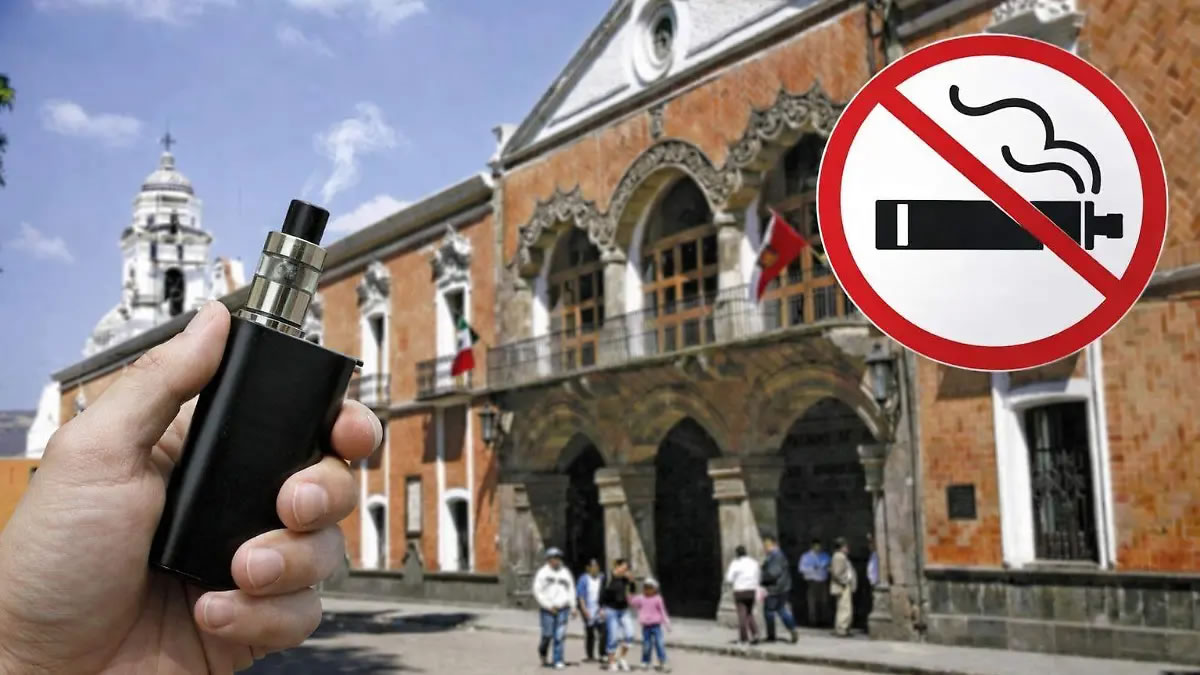
Mexico has enforced a total prohibition on the manufacture, distribution, and sale of electronic cigarettes effective January 16. Following a legislative reform approved in December 2025, the General Health Law now criminalizes the commercial side of the vaping industry in a bid to protect public health. While personal possession remains technically legal, authorities have established severe financial penalties and potential prison sentences for anyone caught producing or selling these devices.
Key Takeaways
- Total Commercial Ban: The manufacture, distribution, import, and sale of vapes are prohibited as of January 16.
- Heavy Penalties: Violators face prison time and fines ranging from 11,000 to 226,000 pesos.
- Legal Loophole: The law targets sellers; personal possession and consumption are not currently classified as crimes.
- Toxic Reality: Authorities warn that users inhale an aerosol containing heavy metals and nitrosamines, not harmless water vapor.
The Legal Crackdown: Fines and Prison
Examining the legislative text approved by the Chamber of Deputies reveals a strict "zero tolerance" approach to the market. The reform to the General Health Law explicitly targets the supply chain. The government argues that these products normalize nicotine use and pose severe health risks. Consequently, anyone involved in the commercialization of vapes—from large importers to small street vendors—now risks fines reaching up to 226,000 pesos and potential incarceration.
However, a critical legal nuance exists. The legislation focuses on supply, not demand. Personal possession and consumption are not penalized under the new text, leaving the decision to use existing devices in the hands of consumers, albeit without a legal way to purchase replacements.
Health Risks: The "Water Vapor" Myth
Clinical data from UNAM (National Autonomous University of Mexico) highlights a dangerous misconception: the idea that vaping is just "flavored water vapor." Scientifically, the output is an aerosol containing ultrafine particles. While the primary ingredients are propylene glycol and vegetable glycerin, the heating process can generate toxic compounds.
Alerts from Cofepris (Federal Commission for Protection against Sanitary Risks) indicate that these aerosols often contain heavy metals and nitrosamines. Inhalation leads to respiratory irritation, cardiovascular issues, and potential damage to adolescent brain development. Furthermore, "second-hand vaping" exposes bystanders to similar noxious particles.
Environmental Impact: The E-Waste Crisis
Beyond the health crisis, the environmental footprint of vaping is escalating. Most devices contain lithium batteries and non-biodegradable plastics. When discarded improperly, these "disposable" electronics leach mercury, lead, and cadmium into the soil and water tables. The accumulation of this e-waste presents a complex challenge for sanitary landfills ill-equipped to handle hazardous chemical components.
Comparison Matrix: What the Law Changes
The following table outlines the shift in legal status for vaping products in Mexico.
| Activity | Legal Status (Post-Jan 16) | Consequence |
|---|---|---|
| Selling / Distributing | Illegal | Fines up to 226,000 MXN + Jail |
| Manufacturing | Illegal | Fines + Jail |
| Personal Possession | Legal (Loophole) | No penalty specified in current text. |
| Importing | Illegal | Confiscation + Fines |
Can tourists bring vapes into Mexico?
While possession is not a crime, importation is illegal. Customs officers may confiscate vape devices upon arrival at airports or border crossings. Travelers should avoid bringing these items to prevent delays or fines at entry points.
