


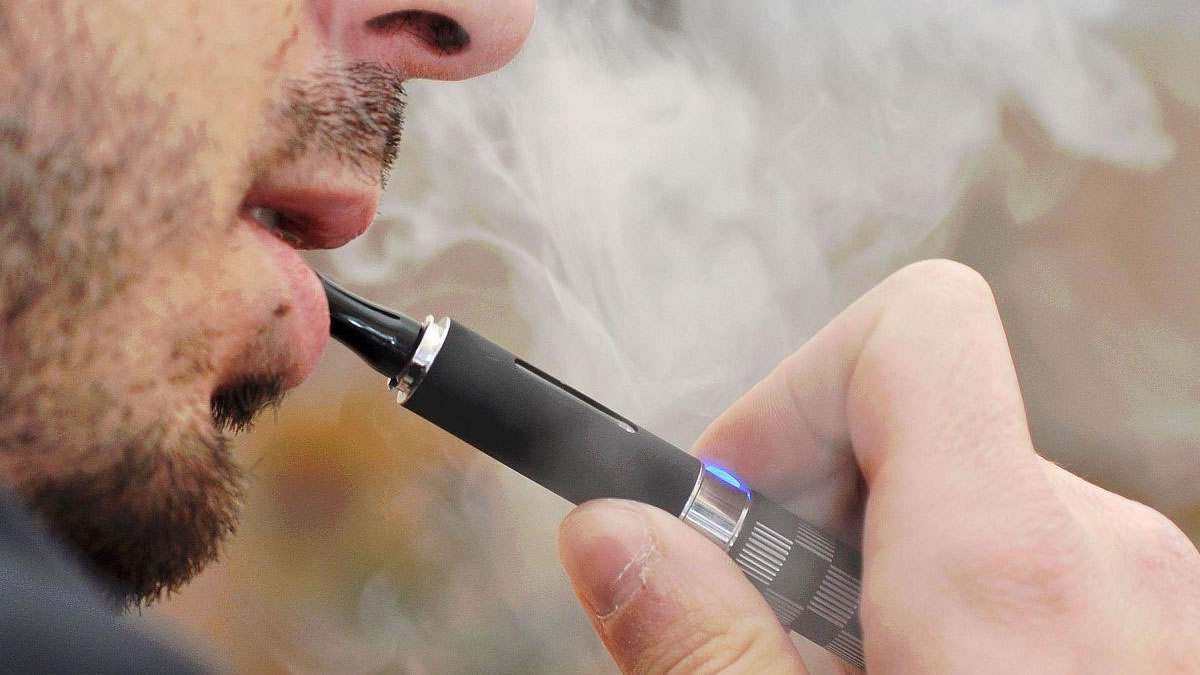
The Mexican Chamber of Deputies has approved a significant reform to the General Health Law, establishing an absolute prohibition on the manufacture, import, export, distribution, commercialization, and use of electronic cigarettes, vapes, and similar devices. The measure passed on Tuesday with 324 votes from the ruling coalition (Morena, PT, and Green Party), amidst intense debate.
Proponents, like Morena's Pedro Mario Zenteno, hailed the reform as a "historic step" for public health, emphasizing the need to protect citizens from the documented risks of vaping, including lung damage, cardiovascular issues, and addiction. Zenteno clarified that the initiative targets production, trade, and advertising, stating that individual consumers would not face sanctions. He announced a forthcoming amendment to explicitly ensure users are not persecuted.
However, opposition lawmakers from the PRI, PAN, and Movimiento Ciudadano criticized the reform as "regressive" and "authoritarian." They argued that despite assurances, the current text could still criminalize young consumers and warned that a total ban would likely fuel a black market. PRI deputy Ana Isabel González specifically pointed to articles in the bill that she believes maintain criminalization risks.
Beyond the vape ban, the approved reform includes broader health policy changes, such as centralizing medicine procurement, regulating residual plasma use, strengthening the regulatory agency Cofepris, and updating lists of psychotropics. The discussion is set to continue with specific focus on ensuring the non-penalization of individual consumers.
