


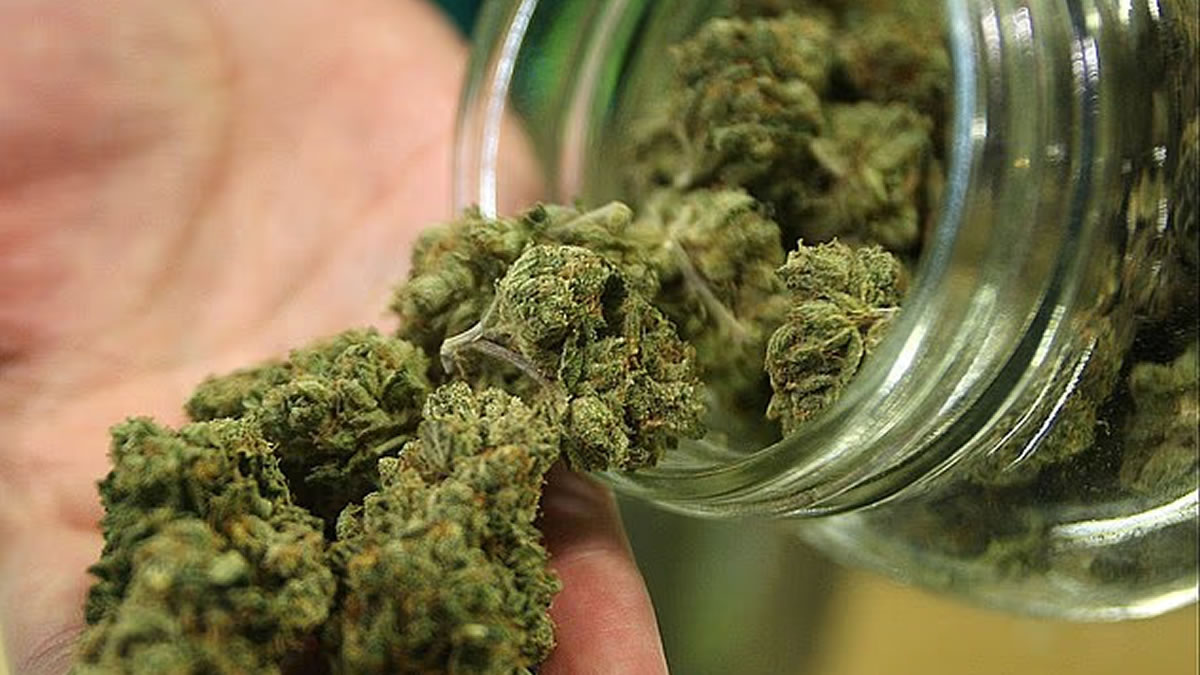
Seven years after the legalization of medical cannabis in the UK, patients are facing a severe public health crisis. Due to strict NHS restrictions, the majority of medicinal users are forced to source cannabis from illegal dealers or expensive private clinics. Shockingly, data reveals that just ten private doctors are responsible for over half of all legal prescriptions, often dispensing high-THC products that experts warn are exacerbating psychiatric conditions and fueling cannabis use disorder.
The NHS Bottleneck and the Rise of the Private Sector
Medical cannabis was legalized in the UK in 2018 following high-profile campaigns, notably involving severely epileptic children like Billy Caldwell. However, the reality of legal access has proven to be a mirage for most patients. The NHS maintains highly restrictive criteria, typically only funding prescriptions for severe epilepsy, chemotherapy-induced nausea, or multiple sclerosis-related muscle spasms. The approved NHS medications are limited to specific formulations: Nabilone (capsules), Sativex (oral spray), and Epidyolex (purified CBD liquid).
This bottleneck has created a booming, unregulated private sector. According to the Medical Cannabis Clinicians’ Society, there are currently between 80,000 and 90,000 private cannabis prescriptions in the UK. Many of these private patients are seeking treatment for psychiatric conditions such as anxiety, depression, and PTSD—conditions for which the NHS does not prescribe cannabis.
The Concentration of Prescribing Power
Recent figures obtained by The Times highlight a alarming concentration of prescribing power within this private market. The data reveals a system that critics describe as a "wild west" of medical provision.
| Prescribing Metric | Data Point |
|---|---|
| Top 10 Private Doctors | Responsible for 52% of all UK prescriptions (805,000+ treatments since 2019). |
| Highest Prescribing Individual | Prescribed 46,000 medicines in 5 months (approx. 1 prescription every 2 minutes). |
| Monthly Prescription Peak | Reached ~100,000 per month in early 2025. |
| High-THC Volume (>22% THC) | Accounted for nearly 50% of all prescriptions in early 2025. |
The Potency Paradox: Legal Weed Stronger Than Street "Skunk"
Perhaps the most concerning aspect of the private medical cannabis market is the extreme potency of the products being dispensed. While typical illegal street "skunk" seized by UK police contains between 14% and 16% THC (the primary psychoactive compound), private clinics are legally prescribing strains with vastly higher concentrations. The strongest medical strain available in the UK, named 'Space Cake', boasts a staggering 34% THC content.
This high-potency prescribing is directly linked to adverse health outcomes. A comprehensive study by the University of Bath involving over 4,000 UK cannabis users found a disturbing paradox: individuals with a legal prescription were more likely to exhibit signs of cannabis use disorder (addiction) than those without one. Specifically, 75% of prescription holders were deemed high-risk users, compared to 46% of non-prescription medicinal users.
Psychiatric Risks and Lack of Clinical Evidence
The aggressive prescribing of high-THC cannabis for mental health conditions is drawing fierce criticism from the medical establishment. Data from Mamedica, one of the UK's largest private clinics, indicates that over 50% of its patients are prescribed cannabis for mental health issues.
However, clinical evidence does not support this practice. A recent meta-analysis published in The Lancet Psychiatry reviewed 54 clinical trials over 45 years and found no evidence that medicinal cannabis is effective for anxiety, depression, or PTSD. Professor Sir Robin Murray of King's College London warned that private clinics are "causing harm to the people they are claiming to help." The tragic case of Oliver Robinson, who took his own life after developing a £1,000-a-month medical cannabis addiction following a single video consultation, underscores the severe risks of high-THC exposure in vulnerable psychiatric patients.
The Return to the Black Market
Because private prescriptions can cost up to £2,000 a month, they remain inaccessible to the vast majority of the population. Consequently, the University of Bath study revealed that less than 3% of all cannabis users source the drug via the NHS, and only 4.3% use a private prescription. The most common source for medicinal users remains illegal street dealers.
Expert Verdict: A Regulatory Failure
The current state of UK medical cannabis represents a profound regulatory failure. The NHS's reluctance to prescribe whole-plant cannabis has not suppressed demand; it has merely outsourced it to a hyper-commercialized private sector and the criminal black market. When a single private doctor is issuing a prescription every two minutes for products twice as strong as illegal street drugs, the system is no longer functioning as a medical framework. Urgent intervention from the Department of Health is required to cap THC limits in private clinics, enforce rigorous psychiatric screening, and expand affordable NHS access to safe, low-THC alternatives.
