


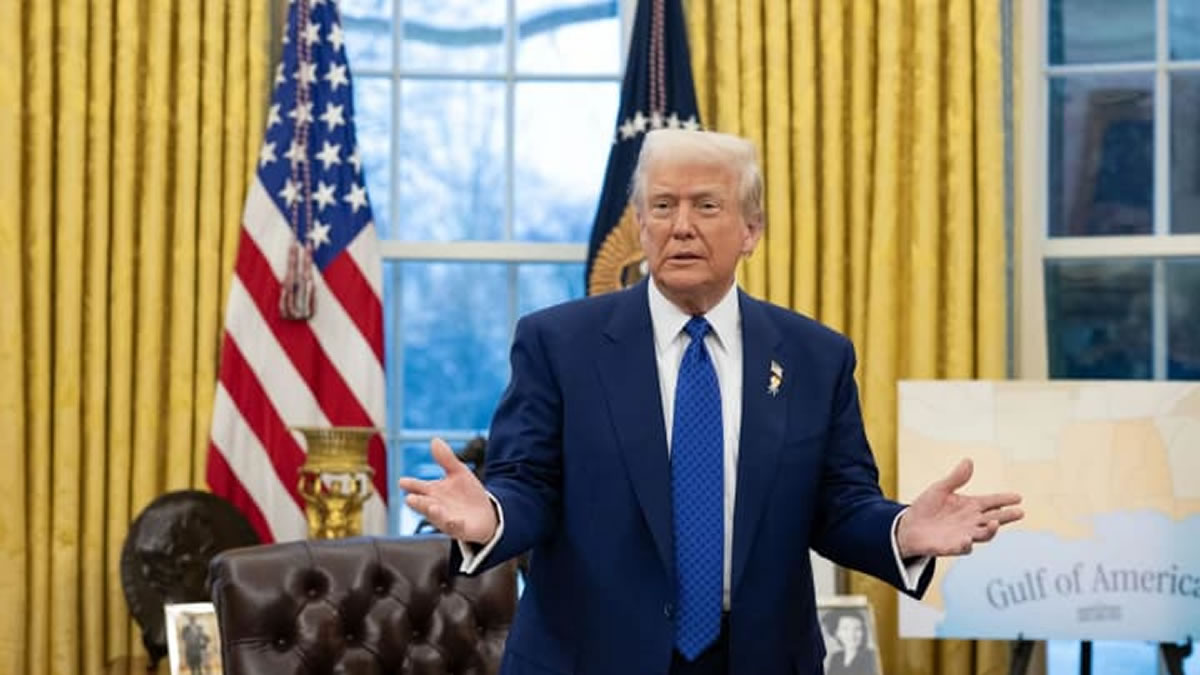
President Donald Trump signed an executive order on Thursday reclassifying marijuana from a Schedule 1 to a Schedule 3 drug under federal law. This significant shift moves cannabis from a category defined as having "no accepted medical use and high potential for abuse" to one recognized as having "low to moderate potential for dependence," aligning it with drugs like Tylenol with codeine.
"People begging for me to do this. People that are in great pain," Trump stated regarding the decision, which aims to facilitate newer and faster medical research. Michael Khemmoro, COO of Mango Cannabis, welcomed the move as a major industry milestone, citing personal experiences with the benefits of THC edibles for cancer patients.
However, the decision has met with caution from some medical professionals. Dr. Cara Poland of Michigan State University expressed nervousness, noting "insufficient proof that cannabis works as medicine at this point" and concerns about bypassing standard FDA approval processes. She warned that reclassification doesn't address safety issues like cannabis use disorder, though she acknowledged FDA-approved synthetic THC and CBD exist for specific treatments.
It is important to note that reclassification is not federal decriminalization. While marijuana is decriminalized in 32 states, it remains illegal at the federal level outside of this new scheduling context.
