


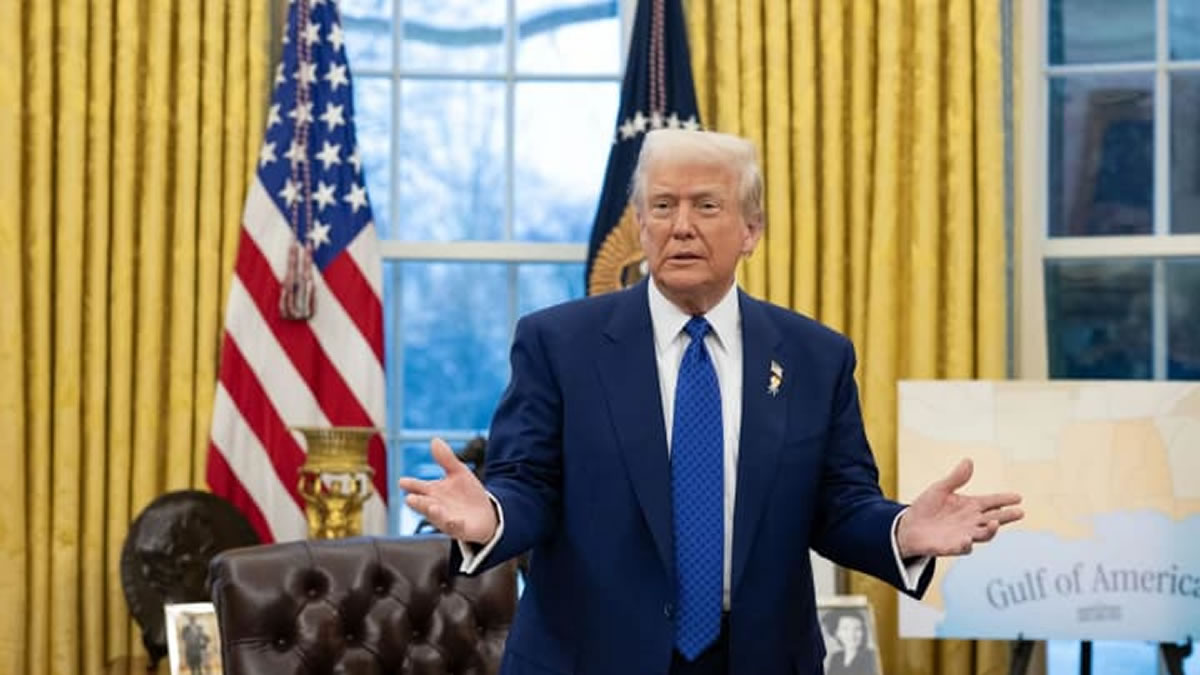
On December 18, 2025, President Donald J. Trump signed a significant Executive Order titled Increasing Medical Marijuana and Cannabidiol Research. This directive instructs the Attorney General (AG) to expedite the ongoing rulemaking process to reschedule marijuana from Schedule I to Schedule III under the Controlled Substances Act (CSA). Furthermore, it calls on executive branch officials to enhance research and regulatory coordination regarding medical marijuana and hemp-derived cannabinoid products.
While the headlines may suggest immediate change, the reality is more nuanced. The Executive Order itself does not reclassify marijuana; rather, it pushes federal agencies to complete a process that has been underway for some time. For industry stakeholders, investors, and medical professionals, understanding the legal mechanics and potential downstream effects is crucial. This guide breaks down the current status, the regulatory hurdles that remain, and the potential implications for taxes, banking, and FDA oversight.
The Legal Reality: Rescheduling is Still a Process, Not a Decree
Despite the executive directive, marijuana's classification under federal law remains unchanged for the moment. The CSA mandates a specific, multi-agency rulemaking process that cannot be bypassed by presidential order alone. The path to rescheduling involves several critical steps:
- Initiation: Proceedings can be started by the Drug Enforcement Administration (DEA), the Department of Health and Human Services (HHS), or by petition.
- Scientific Evaluation: The AG must request a scientific and medical evaluation from HHS before making any scheduling decision.
- DEA Authority: While HHS provides recommendations, it does not control the final decision. The DEA must complete the statutory process and issue a rule based on the full administrative record. The Department of Justice Office of Legal Counsel clarified this requirement in a May 2024 opinion.
- Current Status: The Department of Justice issued a proposed rule to transfer marijuana to Schedule III back in May 2024. Despite the new Executive Order, this proposal is still pending, awaiting the completion of an administrative law hearing and final review.
The Executive Order serves as a powerful signal of administrative priority, directing the AG to move this process forward. However, it does not alter the statutory requirements governing how or when rescheduling will occur. Consequently, uncertainty regarding the timeline persists.
Potential Economic Impact: The 280E Tax Relief
One of the most anticipated outcomes of rescheduling is potential relief from Section 280E of the Internal Revenue Code. Currently, this code disallows standard business deductions and credits for trades or businesses trafficking in Schedule I or II controlled substances. This places a massive financial burden on state-legal cannabis operators.
If marijuana is successfully transferred to Schedule III, cannabis businesses would no longer fall within the scope of 280E. This change would potentially allow operators to deduct ordinary and necessary business expenses such as payroll, rent, utilities, marketing, and professional fees, significantly improving profitability and cash flow across the industry.
Research and Regulatory Frameworks
The Executive Order explicitly establishes a federal policy to expand research into medical marijuana and cannabidiol (CBD). It states, "it is the policy of my Administration to increase medical marijuana and CBD research to better inform patients and doctors." This directive aims to bridge the gap between widespread use and scientific understanding.
Additionally, the Order addresses the complex market of hemp-derived cannabinoid products. It directs officials to work with Congress to develop a regulatory framework that addresses THC limits, labeling standards, and product safety. This suggests a move towards federal standardization for products that have largely operated in a regulatory gray area.
Banking and Financial Risks Remain
Crucially, the Executive Order does not resolve the banking challenges facing the cannabis industry. Plant-touching businesses remain subject to existing federal banking and anti-money laundering frameworks. Under federal money laundering statutes, conducting financial transactions involving proceeds of unlawful activity is prohibited. Since rescheduling does not make marijuana federally "legal" for recreational use, risks persist.
Changes to banking risk would likely require:
- Congressional Action: Legislation like the SAFER Banking Act would provide explicit protections, but such measures have not yet been enacted.
- Updated Guidance: The Treasury’s Financial Crimes Enforcement Network (FinCEN) could revise its guidance on Bank Secrecy Act expectations. Currently, this guidance emphasizes that marijuana remains illegal under federal law, requiring financial institutions to treat cannabis customers as high risk.
As a Congressional Research Service legal sidebar explains, rescheduling alone is unlikely to eliminate legal risks for financial institutions serving marijuana businesses.
The Double-Edged Sword of FDA Oversight
Moving marijuana to Schedule III implies it has a "currently accepted medical use in treatment in the United States." This shift would place cannabis squarely under the oversight of the Food and Drug Administration (FDA). The FDA currently notes that it has not approved a marketing application for cannabis for the treatment of any disease or condition.
Under the Federal Food, Drug, and Cosmetic Act, any cannabis product intended for medical use would generally need to undergo the FDA’s rigorous drug approval process, including clinical trials demonstrating safety and efficacy. This raises significant questions about how existing state-legal medical and adult-use markets would interact with federal requirements. The Executive Order does not resolve these implementation issues, leaving the practical impact on current products dependent on future enforcement decisions.
Conclusion
President Trump's Executive Order is a notable political statement that prioritizes marijuana rescheduling and research. However, it does not materially alter the immediate legal framework. It directs agencies to continue a process that began over a year ago, leaving the timing and substance of changes dependent on future rulemaking and potential litigation.
Stakeholders must remain vigilant. Unresolved issues include when rescheduling might take effect, how the FDA will approach oversight, and how tax and financing dynamics will evolve. While the potential for 280E tax relief is promising, it is contingent on the finalization of the rescheduling rule. Industry participants should carefully evaluate their positioning and consult counsel as this federal process continues to unfold.
