


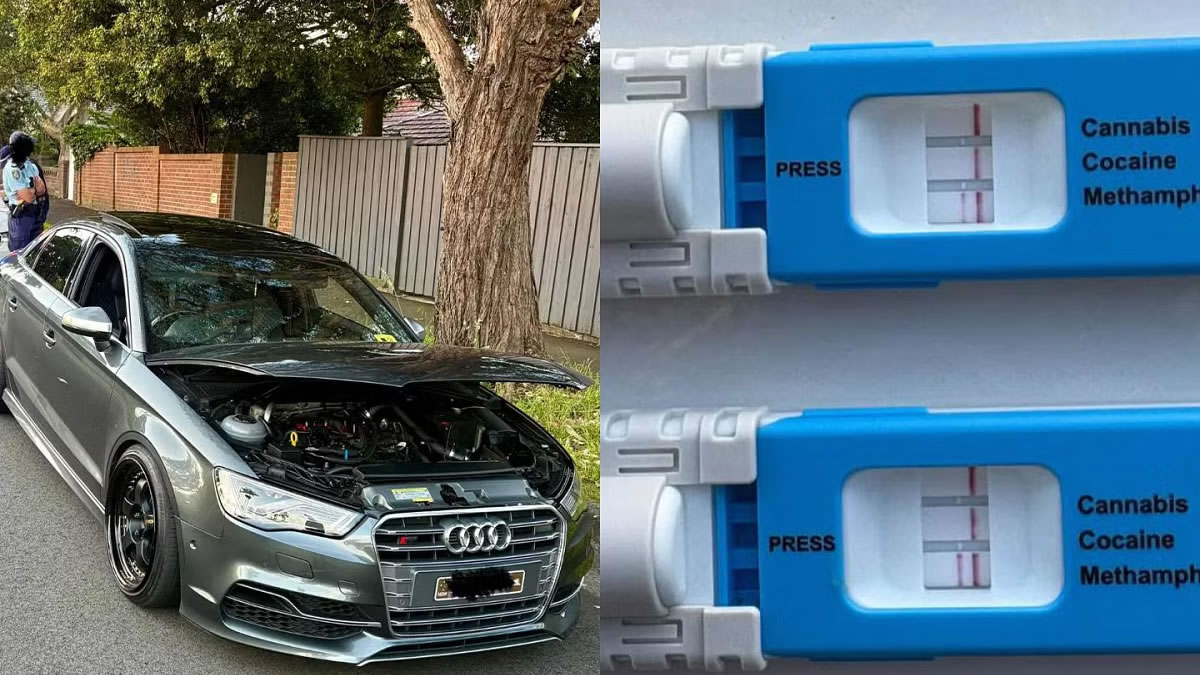
The rapid rise of ADHD prescriptions in Australia has sparked a new fear among motorists: can legal medication trigger a positive result for methamphetamines on a roadside drug test? With Vyvanse now the fastest-growing script on the Pharmaceutical Benefits Scheme (PBS), thousands of drivers are questioning if their daily treatment could cost them their license. While rare, anecdotal evidence suggests false positives are possible on initial screenings, though secondary lab tests typically exonerate prescribed users.
Key Takeaways
- The Chemical Link: ADHD meds like dexamphetamine share structural similarities with methamphetamine but are distinct compounds.
- False Positive Risk: Initial roadside saliva tests can occasionally flag ADHD meds as meth, though this is uncommon.
- The "Second Test" Safety Net: If you fail the roadside swab, a secondary lab analysis is far more accurate and should differentiate medication from illicit drugs.
- Immediate Ban: A positive roadside result triggers an immediate 24-hour driving ban, even if the lab later clears you.
- Prescription Growth: Vyvanse scripts jumped by over 650,000 in 2025, overtaking Ozempic as a leading medication in Australia.
Examining the Chemistry: Dexamphetamine vs. Methamphetamine
A deep dive into the pharmacology reveals why this confusion exists. Dexamphetamine (found in Vyvanse and Elvanse) and methamphetamine are chemically similar stimulants. However, they possess distinct molecular markers. In theory, the specific antibodies used in roadside saliva tests are calibrated to detect illicit methamphetamine, not prescribed stimulants.
According to Drug and Alcohol Research and Training Australia (DARTA), taking ADHD medication alone "should not" produce a positive result. However, the organization notes reports from young drivers who failed the initial swab despite never using illicit drugs. Crucially, these drivers consistently passed the secondary, more sophisticated lab analysis.
The Legal Reality: Presence vs. Impairment
Scrutinizing the current traffic laws highlights a major friction point: the "presence" model. Unlike alcohol testing, which measures impairment levels, roadside drug tests in Australia simply detect the presence of a substance. This binary "yes/no" system has drawn sharp criticism.
For medicinal cannabis users, THC can remain detectable for days after impairment fades. For ADHD patients, the risk is different: it's about the test confusing a legal medicine for an illegal one. While state authorities do not outlaw driving on prescribed dexamphetamine, they warn that if you are stopped for erratic driving, police can demand a full blood test. As noted by JBP Law, even legal medications that impair driving ability can result in DUI-equivalent charges.
What Happens if You Test Positive?
If an ADHD patient triggers a false positive on the roadside swab, the procedure is stressful but procedural.
| Stage | Action | Outcome for ADHD Patient |
|---|---|---|
| 1. Roadside Swab | Initial saliva test. | Low Risk: Possible false positive due to chemical similarity. |
| 2. Secondary Screen | Police station/Mobile van test. | Medium Risk: If positive again, immediate 24-hour driving ban applies. |
| 3. Lab Analysis | High-precision chemical breakdown. | Exoneration: Lab tests distinguish prescribed meds from illicit meth. |
The immediate consequence—a 24-hour driving ban pending lab results—can be highly disruptive. However, DARTA advises drivers "don't panic," as the lab test is the ultimate arbiter.
Can I drive while taking Vyvanse?
Yes, legally you can drive if the medication is prescribed to you and does not impair your ability to control the vehicle. However, carry your prescription or a doctor's letter in the car to explain any potential false positives to officers.
