


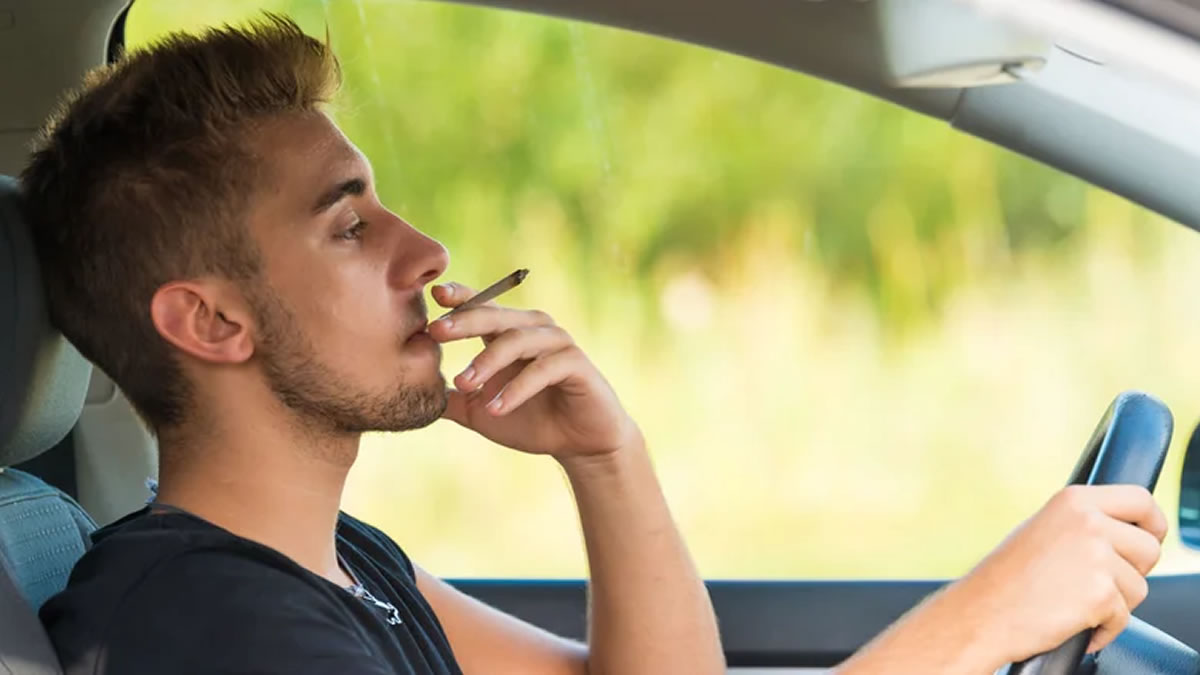
The New South Wales government has announced a groundbreaking proposal to allow prescribed medicinal cannabis users to drive with low levels of THC in their system. This policy shift, first reported by ABC News, addresses the growing legal conflict between road safety enforcement and the rights of prescription marijuana patients.
While many global jurisdictions have hesitated to address the overlap of medical marijuana and traffic laws, Australia is taking a proactive stance. The proposed policy aims to prevent sober, law-abiding patients from losing their licenses due to residual, non-impairing levels of THC in their bodies.
Under the proposed framework, drivers with legally registered medicinal cannabis prescriptions who have completed a state safety course will no longer face automatic DUI charges for trace amounts of THC. Instead, the state plans to introduce a legal cutoff limit of 50 nanograms per milliliter (ng/ml).
NSW Roads Minister Jenny Aitchison emphasized the necessity of the reform, stating that the government is trying to walk a delicate line between maintaining road safety and enabling people with prescribed medication to drive.
For recreational users or those without a registered prescription, the rules remain unchanged: any detectable level of THC will result in immediate prosecution. However, for registered patients who exceed the 50 ng/ml threshold, the state plans to implement a lenient, multi-tiered warning system.
| Offence Level (Within 2 Years) | Consequence for Registered Patients |
|---|---|
| First Over-Limit Result | First official warning (no charge; strike 1) |
| Second Over-Limit Result | Second official warning (no charge; strike 2) |
| Third Over-Limit Result | \$704 fine and a minimum three-month license suspension |
The two-strike warning system is specifically designed to give patients room to adjust their dosages. The strikes will completely reset every two years, ensuring that minor dosing miscalculations do not permanently ruin a patient's driving record.
Crucially, the policy relies on modern saliva testing rather than traditional blood or urine tests. These saliva tests are designed to detect active THC only for "a couple of hours" post-consumption. According to Minister Aitchison, patients who take their medication the night before to treat conditions like anxiety are highly unlikely to trigger a positive result the following day.
Despite the structured approach, the proposal has faced sharp criticism from conservative lawmakers. Kellie Sloane, leader of the opposition party, condemned the policy, warning that the science of cannabis impairment is not yet precise enough. Sloane argued that because THC affects every individual differently, setting an arbitrary legal limit is a premature move that could compromise road safety.
