


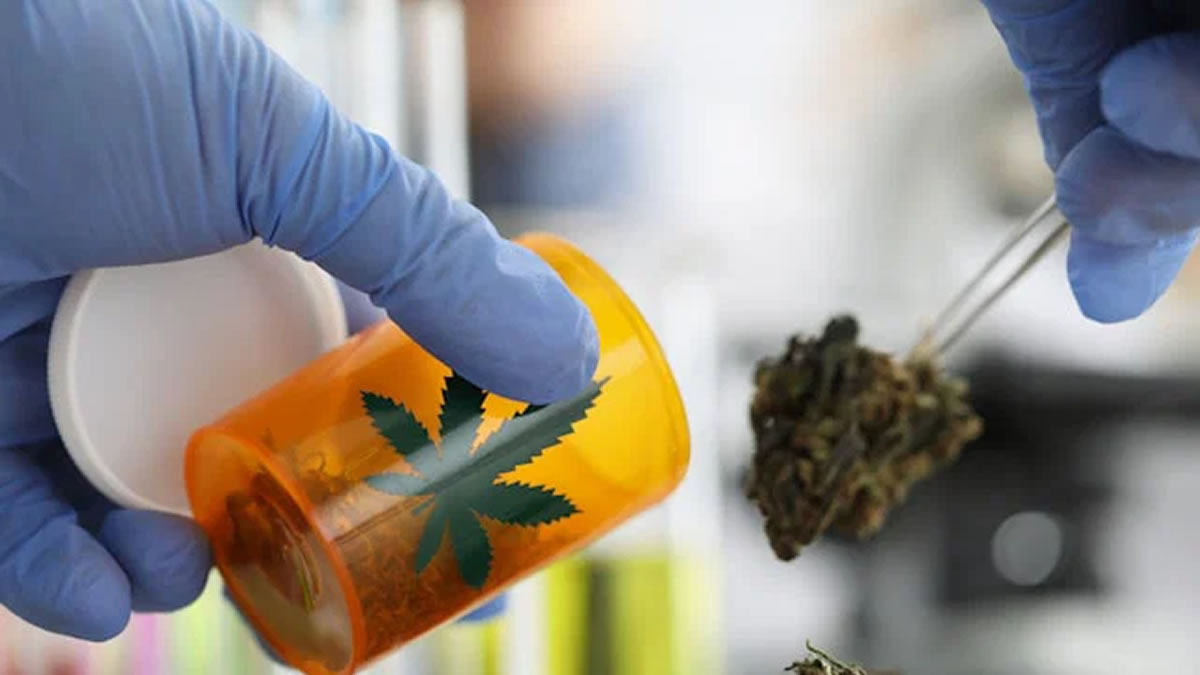
Researchers at Gentofte University Hospital in Denmark have identified a potential link between medical cannabis and an increased risk of heart rhythm disorders. Analyzing the medical records of 1.6 million chronic pain patients, the study comes at a crucial time as medical marijuana gains rapid global acceptance as an alternative to traditional painkillers and opioids.
The Danish research team tracked approximately 4,600 patients who filled at least one prescription for medical cannabis out of a larger pool of individuals suffering from chronic pain conditions, such as cancer, arthritis, nerve damage, and back issues. The goal was to determine if cannabis use correlated with a higher incidence of arrhythmia.
An arrhythmia is an irregular heartbeat where the heart beats too fast, too slow, or unevenly. While some instances of arrhythmia are benign and harmless, others can escalate into life-threatening cardiovascular conditions, including stroke, heart failure, or sudden cardiac arrest.
The study revealed that medical cannabis users had a 64% higher likelihood of developing an arrhythmia within six months of starting their prescription compared to non-users. Although this relative increase sounds substantial, researchers emphasize that the absolute risk remains very low.
| Patient Group (Chronic Pain) | Arrhythmia Occurrence Rate | Relative Risk Increase |
|---|---|---|
| Medical Cannabis Users (approx. 4,600 patients) | 0.9% | +64% (compared to non-users) |
| Non-Cannabis Users (~1.59 million patients) | 0.5% | Baseline reference |
The elevated risk was observed across all approved forms of medical marijuana in Denmark. This includes CBD oils and sprays, herbal teas containing both THC and CBD, and dronabinol, which is a laboratory-made version of THC.
While the exact biological mechanism remains unclear, previous research indicates that active compounds like THC and CBD interact directly with the cardiovascular system. These chemicals can alter heart rate, blood pressure, blood vessels, and blood clotting, potentially triggering irregular heartbeats in vulnerable individuals.
However, the researchers cautioned that cannabis may not be the sole culprit. Chronic pain itself places immense physical and neurological stress on the body, which can negatively impact heart health. Furthermore, many medical cannabis patients concurrently take opioids and other prescription drugs that carry their own cardiac risks.
As recreational and medical cannabis use expands globally, public perception often associates "natural" products with complete safety. However, medical experts warn that natural substances can still cause adverse side effects, particularly when interacting with existing health conditions or other medications.
Patients with a history of cardiovascular disease or arrhythmias are urged to exercise caution. Doctors recommend thorough medical consultations, personalized risk assessments, and active heart monitoring before and during medical cannabis therapy to safely balance potential benefits against cardiovascular risks.
