


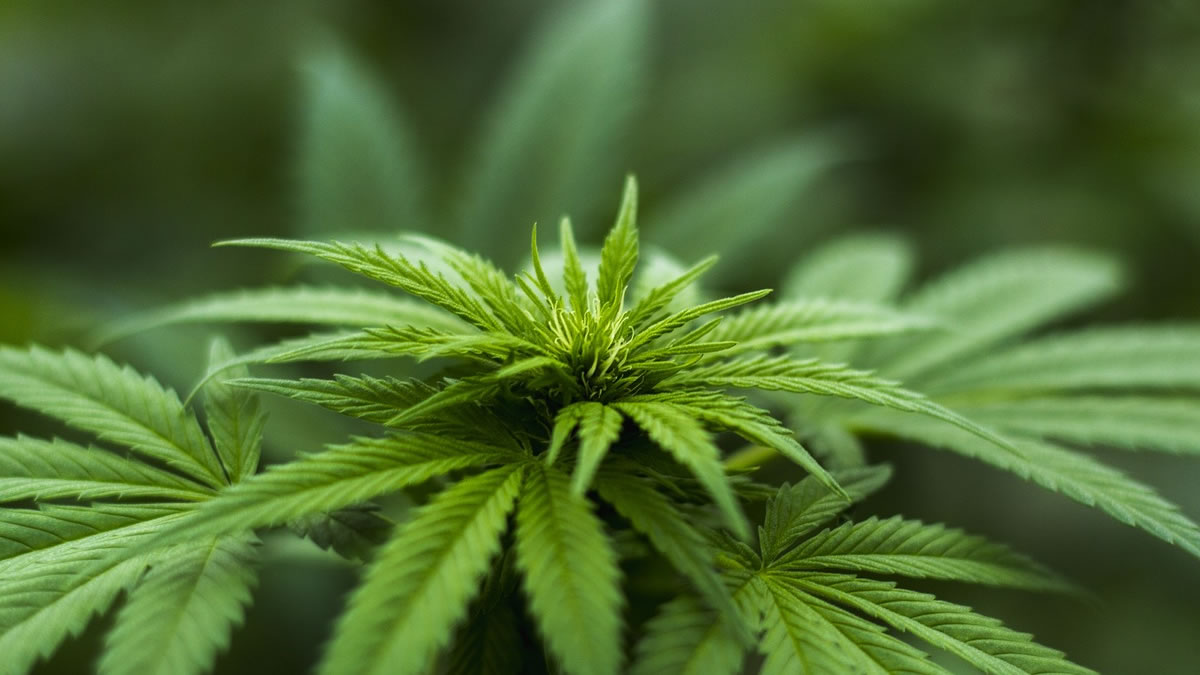
The Ministry for Regulation and the Ministry of Health have officially enacted a landmark regulatory framework for New Zealand’s hemp industry, effective May 28, 2026. This historic reform, championed by Regulation Minister David Seymour, revokes the outdated Industrial Hemp Regulations 2006 to drastically reduce barriers for local growers.
A coalition representing over 95% of the country's licensed hemp operators—including the New Zealand Hemp Industries Association (NZHIA), the Aotearoa Hemp Alliance (AHA), and the New Zealand Medicinal Cannabis Council (NZMCC)—has welcomed the transition. By moving low-THC hemp regulation directly under the Misuse of Drugs Regulations 1977, the government has established a far more practical, growth-focused environment.
Key Regulatory Shifts: Old vs. New Framework
The transition marks a shift from a highly restrictive, bureaucratic process to a streamlined, commercial-friendly system designed to support agricultural scaling.
| Regulatory Aspect | Old Framework (2006 Regulations) | New Framework (Effective May 28, 2026) |
|---|---|---|
| Access Control | Strict, slow, and costly individual licensing framework. | Practical, notification-based system (notifying Police and MPI). |
| THC Limit | Lower, highly restrictive thresholds. | Increased to 1% dry weight of the plant. |
| Cultivation Geography | Restricted, pre-approved zones. | Allowed anywhere in New Zealand. |
Industry Leaders Project Rapid Agricultural Growth
NZHIA Chair Richard Barge hailed the reforms as a monumental milestone, noting that the changes reposition hemp as a legitimate agricultural crop. "These changes help create a stronger platform for future investment, regional development, and industry growth across seed, fibre, food, and sustainable bio-products," Barge stated.
The practical benefits are immediate. AHA Chair Andrew Davidson highlighted that growers will now avoid lengthy licensing delays in the lead-up to spring planting. The industry's focus can now shift to maximizing per-hectare returns, managing crop quality, and addressing operational issues like pollen drift as cultivation expands.
Furthermore, the reforms foster closer integration with New Zealand’s medicinal cannabis sector. NZMCC Executive Director Sally King emphasized that this collaboration is a vital first step. "There remains significant opportunity around full plant utilization, particularly enabling hemp leaf and flower material to be used for medicinal and wellness products for both people and animals," King added.
While issues like animal feed approval, export development, and broader biomass utilization remain subject to ongoing discussion, the coalition views this framework as a highly constructive foundation for the sector's next evolutionary stage.
References:
- Links to the relevant legislation are listed below, along with a link to the MFR Regulatory impact statement; Misuse of Drugs (Industrial Hemp) Regulations Revocation Order 2026, https://www.legislation.govt.nz/secondary-legislation/pco-drafted/2026/87/en/latest/#LMS1591537
- Addition to the Misuse of Drugs Regulations 1977, Misuse of Drugs Amendment Regulations 2026 https://www.legislation.govt.nz/secondary-legislation/pco-drafted/2026/85/en/latest/#LMS1591487
- Misuse of Drugs (Medicinal Cannabis) Amendment Regulations 2026, implement changes to the hemp regulatory scheme https://www.legislation.govt.nz/secondary-legislation/pco-drafted/2026/86/en/latest/#LMS1590447
- A copy of the regulatory impact statement can be found at https://www.regulation.govt.nz/our-work/regulatory-impact-statements/regulatory-impact-statement-review-the-misuse-of-drugs-industrial-hemp-regulations-2006/
