


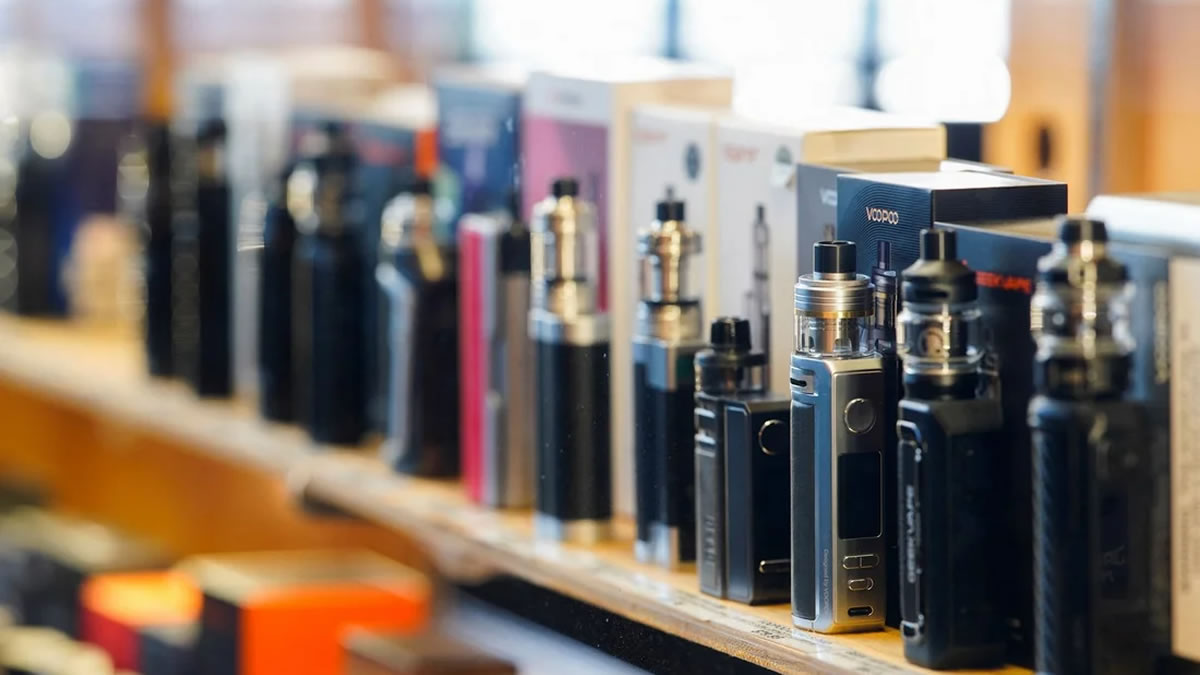
Cyprus has become a hotspot for youth vaping due to aggressive social media marketing and the normalization of e-cigarettes as trendy "gadgets." With 35% of 16-year-olds having tried vaping and 11% using them daily, the country faces a public health challenge exacerbated by discreet device designs that make parental detection difficult.
Key Takeaways:
- High Usage: 11% of 16-year-olds in Cyprus vape daily, exceeding European averages.
- Marketing Trap: Industry tactics on social media portray vaping as safe or cool.
- Health Risks: Nicotine is toxic to developing brains; aerosols contain harmful chemicals.
- Regulatory Gaps: Issues persist with non-nicotine product labeling and enforcement.
Christos Minas, president of the Cyprus addiction treatment authority, has sounded the alarm on a "new generation of addicts," revealing that Cyprus ranks among the highest in Europe for youth e-cigarette use. Speaking on Sigma TV, Minas highlighted that 35% of 16-year-olds in the country have experimented with vaping, a statistic that underscores a growing public health crisis.
The Normalization of Vaping Among Youth
E-cigarettes have seamlessly integrated into the daily lives of Cypriot teenagers, often viewed as essential accessories akin to mobile phones. Their discreet design allows for easy concealment from parents and use in prohibited areas.
Minas pointed to aggressive marketing strategies by the tobacco industry, particularly on social media, as a primary driver. These campaigns cultivate a false impression of safety, making quitting extremely difficult once addiction sets in.
Data and Health Implications
Recent research paints a concerning picture for Cyprus compared to the broader European context:
| Metric (16-year-olds) | Europe Average | Cyprus Data |
|---|---|---|
| Tried Vaping | ~44% | 35% |
| Past Month Use | 22% | 16% |
| Daily Use | Lower | 11% (Exceeds Average) |
Minas emphasized that nicotine is "highly addictive and toxic to the developing brain." Furthermore, the aerosol produced by these devices contains at least 70 chemical compounds, including humectants and free radicals.
Legal Gaps and Prevention Efforts
While nicotine-containing e-cigarettes are regulated under existing smoking laws—banning sales to minors and use in enclosed public spaces—gaps remain. Minas noted that non-nicotine products often suffer from incomplete or misleading labeling.
To combat this, strict legislative enforcement and age verification are crucial. Additionally, the pan-European Relief programme has been launched in Limassol to develop evidence-based interventions in schools, reinforcing the message that "there are no harmless vaping products."
