


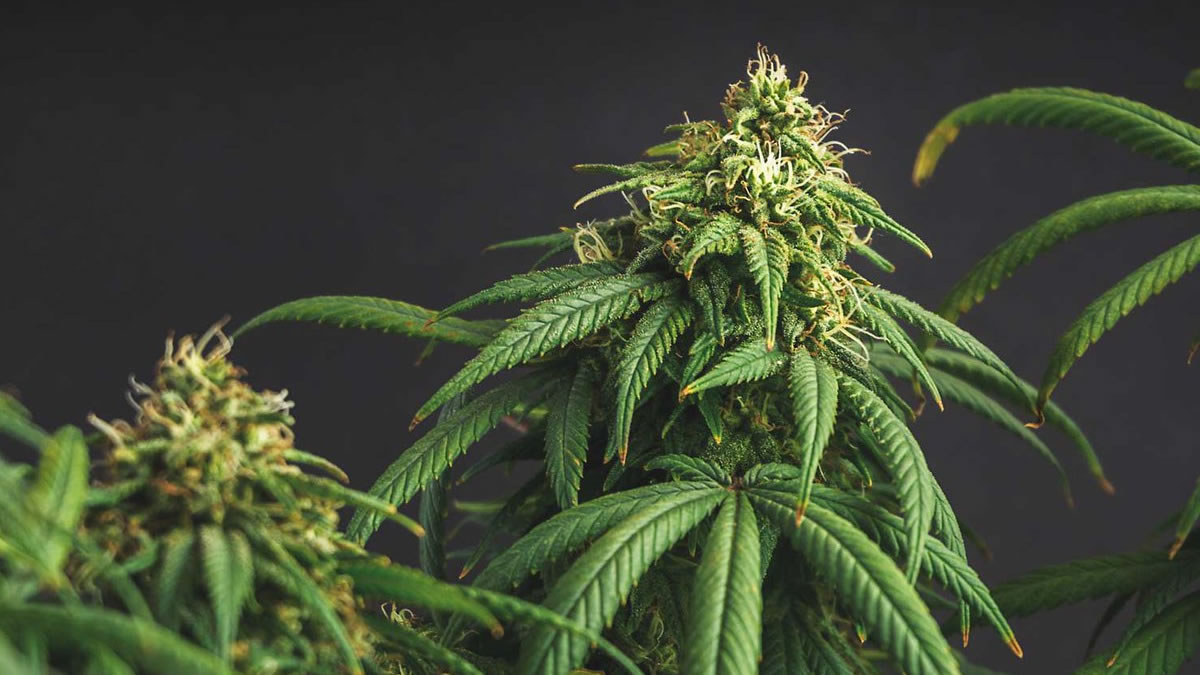
As marijuana use becomes increasingly prevalent due to growing acceptance and decriminalization, it is crucial to have a comprehensive understanding of the potential risks and side effects associated with its consumption. This article aims to provide an in-depth, evidence-based overview of the physical, mental, and long-term effects of marijuana use, drawing from authoritative sources and research findings to ensure readers have access to accurate and reliable information.
Marijuana: Forms and Prevalence
Marijuana, derived from the Cannabis sativa or Cannabis indica plant, is used in various forms, including smoking (joints, pipes, bongs, or blunts), ingesting (edibles or tea), and extracts (hash oil, wax, or shatter)1. In 2020, nearly 18% of Americans aged 18 or older reported having used marijuana within the prior year, with approximately 5% struggling with cannabis use disorder2. Notably, individuals who begin using marijuana before age 18 are at a significantly higher risk of developing a marijuana use disorder compared to those who start using as adults3.
The Complexity of Medical Marijuana
While several states have laws permitting the use of marijuana for medical purposes, primarily for symptom management, the FDA has not approved marijuana as a treatment for any medical condition4. However, the FDA has approved certain purified substances derived from marijuana (analogs) for specific medical uses, such as Epidiolex® for seizure control and Marinol® and Cesamet® for chemotherapy-related nausea and vomiting5.
Short-Term Effects: A Multifaceted Experience
The short-term effects of marijuana can vary significantly based on factors such as individual genetics, age, sex, dosage, potency, method of consumption, and frequency of use6. Common short-term effects may include altered sensory perception, mood changes, impaired cognition and memory, increased heart rate, bloodshot eyes, and altered sense of time and space7. In high doses, marijuana may induce hallucinations, delusions, and psychosis, with the risk of psychosis being particularly elevated in individuals who regularly use high-potency marijuana8.
Long-Term Consequences: A Cause for Concern
Mounting evidence suggests that marijuana use, especially when initiated during adolescence, can have lasting impacts on brain development and contribute to various long-term physical and mental health problems9. These may include:
- Respiratory difficulties, such as chronic bronchitis and increased risk of lung illnesses
- Pregnancy-related risks, including effects on fetal brain development and increased risk of low birth weight and premature birth
- Elevated risk of testicular cancer and severe cyclic nausea and vomiting (cannabinoid hyperemesis syndrome)
- Impaired learning, memory, and impulse control in adolescents, with potential persistent memory loss and IQ declines in heavy adult users
- Heightened risk of mental health disorders, such as schizophrenia, depression, and anxiety in genetically predisposed individuals
- Increased likelihood of addiction and other substance use disorders
The trend toward higher-potency marijuana raises additional concerns, as the long-term effects of these elevated THC concentrations on the body and brain are not yet fully understood10.
Dependence and Withdrawal: The Cycle of Cannabis Use Disorder
Chronic and frequent marijuana use can lead to physical dependence, characterized by the emergence of withdrawal symptoms when an individual with significant dependence stops using the drug. These symptoms may include irritability, mood changes, sleep difficulties, decreased appetite, cravings, and restlessness11. Approximately 1 in 10 adult marijuana users develop cannabis use disorder, a problematic pattern of use that causes distress and/or impairs one's life, with adolescents being at a considerably higher risk12.
Seeking Help: Treatment for Marijuana Addiction
For individuals struggling with marijuana misuse or addiction, effective treatment options are available. These may include addressing polysubstance use, treating co-occurring mental health disorders, and utilizing evidence-based behavioral therapies13 such as:
- Cognitive-behavioral therapy (CBT): Focuses on identifying and modifying dysfunctional thought patterns and improving coping skills to support marijuana abstinence
- Motivational enhancement therapy (MET): Guides individuals in resolving ambivalence about quitting marijuana by developing their own solutions
- Contingency management (CM): Reinforces positive behavior change by providing tangible rewards for achieving milestones such as drug-free urine tests
A Call for Informed Decision-Making
As marijuana use continues to gain acceptance and become more widespread, it is essential for individuals to be well-informed about the potential risks and side effects associated with its consumption. While some may use marijuana for medical purposes or recreationally without experiencing significant adverse effects, others may face short-term and long-term physical, mental, and social consequences. Those grappling with marijuana misuse or addiction should seek support from healthcare professionals who can provide personalized, evidence-based treatment tailored to their unique needs and circumstances. By promoting open, honest dialogue and disseminating accurate, authoritative information, we can empower individuals to make informed decisions about their health and well-being.
References:
- National Institute on Drug Abuse. (2021, April 13). Marijuana DrugFacts. https://www.drugabuse.gov/publications/drugfacts/marijuana ↩︎
- Substance Abuse and Mental Health Services Administration. (2021). Key Substance Use and Mental Health Indicators in the United States: Results from the 2020 National Survey on Drug Use and Health. https://www.samhsa.gov/data/sites/default/files/reports/rpt35325/NSDUHFFRPDFWHTMLFiles2020/2020NSDUHFFR1PDFW102121.pdf ↩︎
- Hall, W., & Degenhardt, L. (2009). Adverse health effects of non-medical cannabis use. The Lancet, 374(9698), 1383-1391. https://doi.org/10.1016/S0140-6736(09)61037-0 ↩︎
- Whiting, P. F., Wolff, R. F., Deshpande, S., Di Nisio, M., Duffy, S., Hernandez, A. V., Keurentjes, J. C., Lang, S., Misso, K., Ryder, S., Schmidlkofer, S., Westwood, M., & Kleijnen, J. (2015). Cannabinoids for Medical Use: A Systematic Review and Meta-analysis. JAMA, 313(24), 2456–2473. https://doi.org/10.1001/jama.2015.6358 ↩︎
- U.S. Food and Drug Administration. (2020, August 3). FDA and Cannabis: Research and Drug Approval Process. https://www.fda.gov/news-events/public-health-focus/fda-and-cannabis-research-and-drug-approval-process ↩︎
- Atakan, Z. (2012). Cannabis, a complex plant: different compounds and different effects on individuals. Therapeutic Advances in Psychopharmacology, 2(6), 241–254. https://doi.org/10.1177/2045125312457586 ↩︎
- National Institute on Drug Abuse. (2021, April 13). How does marijuana produce its effects? https://www.drugabuse.gov/publications/research-reports/marijuana/how-does-marijuana-produce-its-effects ↩︎
- Di Forti, M., Quattrone, D., Freeman, T. P., Tripoli, G., Gayer-Anderson, C., Quigley, H., Rodriguez, V., Jongsma, H. E., Ferraro, L., La Cascia, C., La Barbera, D., Tarricone, I., Berardi, D., Szöke, A., Arango, C., Tortelli, A., Velthorst, E., Bernardo, M., Del-Ben, C. M., … van der Ven, E. (2019). The contribution of cannabis use to variation in the incidence of psychotic disorder across Europe (EU-GEI): a multicentre case-control study. The Lancet Psychiatry, 6(5), 427–436. https://doi.org/10.1016/S2215-0366(19)30048-3 ↩︎
- Volkow, N. D., Baler, R. D., Compton, W. M., & Weiss, S. R. B. (2014). Adverse Health Effects of Marijuana Use. New England Journal of Medicine, 370(23), 2219–2227. https://doi.org/10.1056/nejmra1402309 ↩︎
- Cascini, F., Aiello, C., & Di Tanna, G. (2012). Increasing delta-9-tetrahydrocannabinol (Δ-9-THC) content in herbal cannabis over time: systematic review and meta-analysis. Current Drug Abuse Reviews, 5(1), 32–40. https://doi.org/10.2174/1874473711205010032 ↩︎
- Budney, A. J., & Hughes, J. R. (2006). The cannabis withdrawal syndrome. Current Opinion in Psychiatry, 19(3), 233–238. https://doi.org/10.1097/01.yco.0000218592.00689.e5 ↩︎
- Hasin, D. S. (2018). US Epidemiology of Cannabis Use and Associated Problems. Neuropsychopharmacology, 43(1), 195–212. https://doi.org/10.1038/npp.2017.198 ↩︎
- National Institute on Drug Abuse. (2020, July 10). Available Treatments for Marijuana Use Disorders. https://www.drugabuse.gov/publications/research-reports/marijuana/available-treatments-marijuana-use-disorders ↩︎
